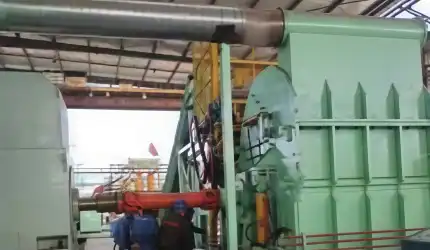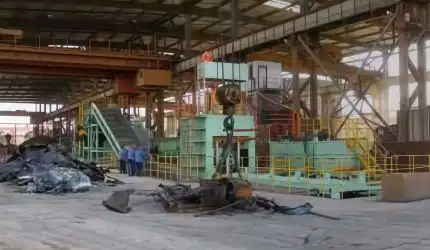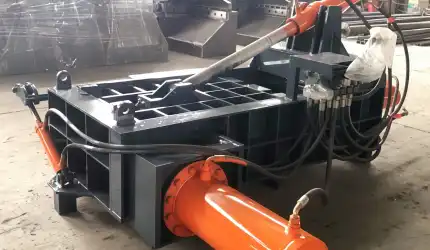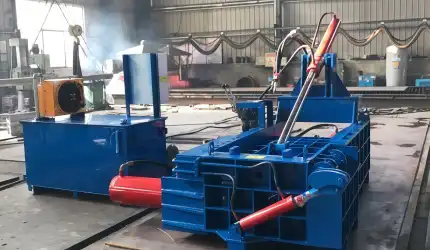
Physical Sorting Lines That Recover Every Valuable Fraction
“No Dust, No Wastewater — Sorting From 20 t/d to 120 t/d.“
Separating light from heavy, ferrous from non-ferrous across municipal, construction and metal-recycling streams — by physics alone.
- Three Machines, One System: DJ-FXJ air separator, DJ-GTS trommel screen and DJ-WDL eddy current unit
- Clean by Design: Negative-pressure airflow with zero dust leakage and few wearing parts
- Non-Ferrous Recovery: Eddy-current field pulls out aluminium and copper for continuous, reliable running
Dingjoin Separator Machine For Sale
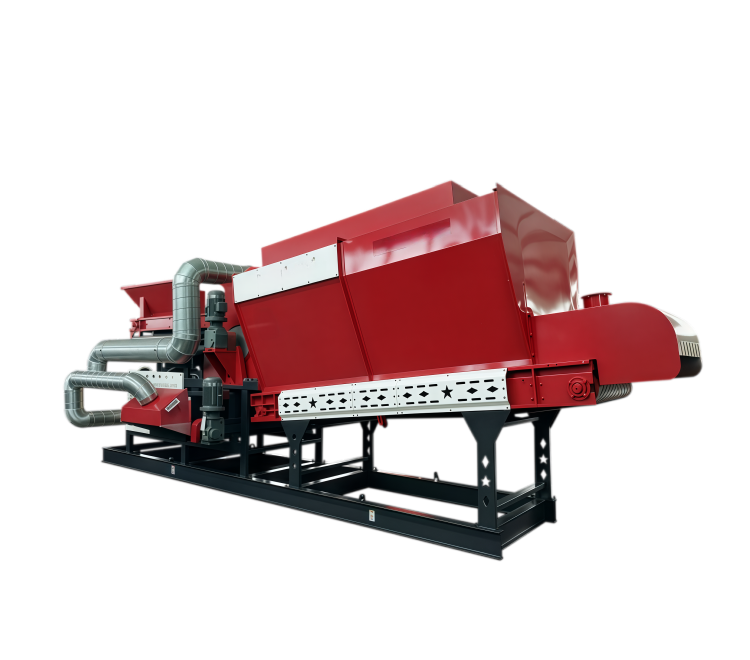
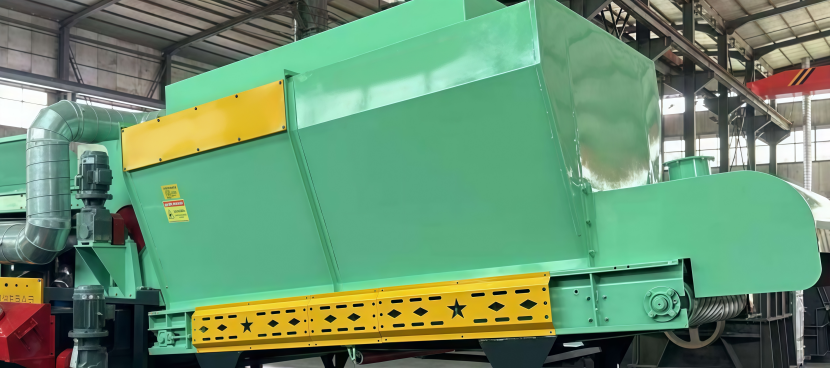
Aerodynamic separator that lifts light fractions clear of the heavy stream.
Air Separator (DJ-FXJ Series)
Capacity:
20 t/d to 120 t/d (XRD-FX-600 to 1600)
Power:
20.7 kW to 66 kW, negative-pressure design
Applications:
Municipal solid waste, construction waste, light-heavy fraction splitting.
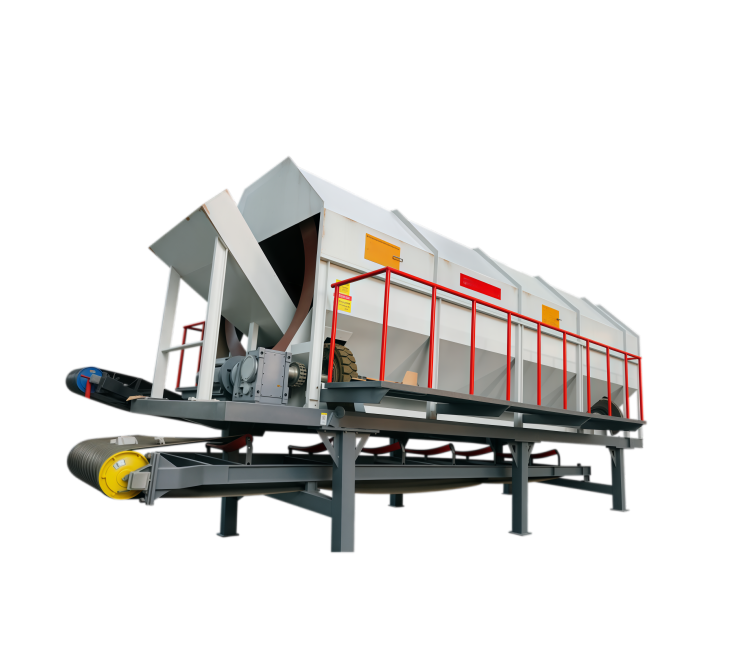
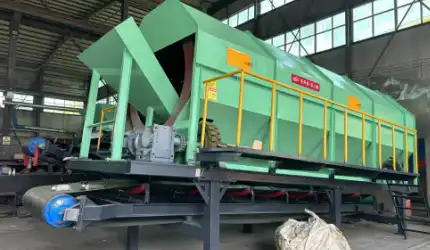
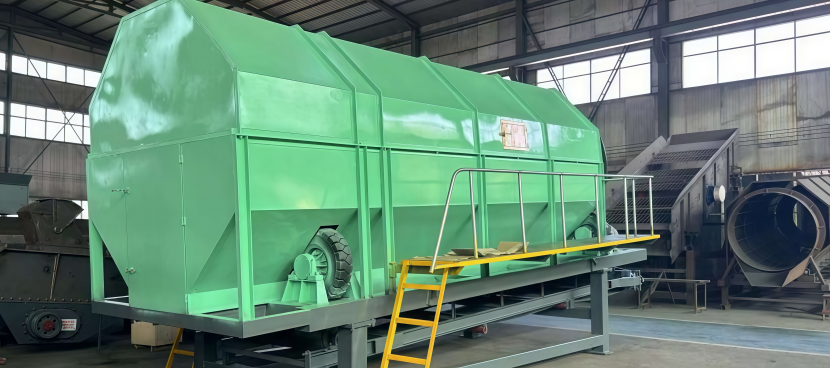
Front-end rotating screen that grades waste by size before deep sorting.
Trommel Screen (DJ-GTS Series)
Drum Diameter & Length:
Ø1800–3000 mm, 6–15 m barrel
Capacity & Power:
≥50 to ≥100 t/h, 7.5–30 kW
Applications:
Domestic waste, construction waste, metal-recycling pre-screening.
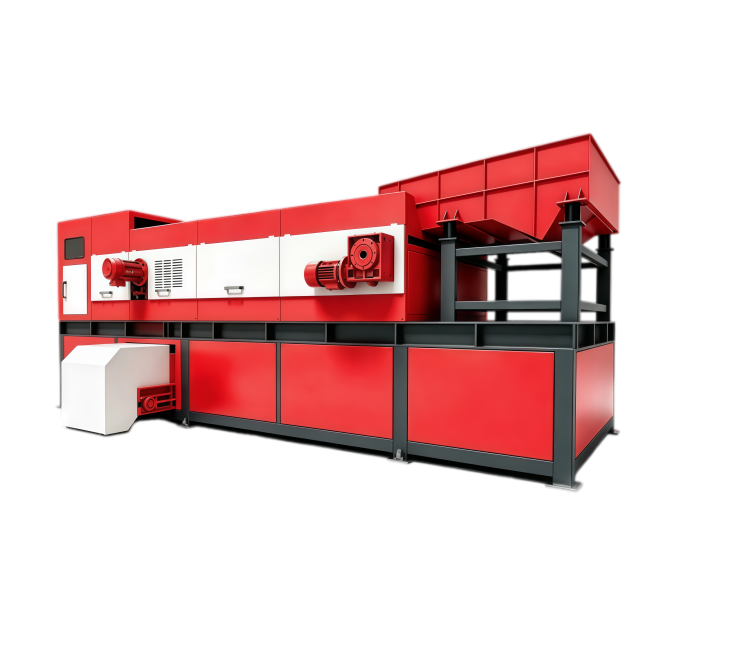
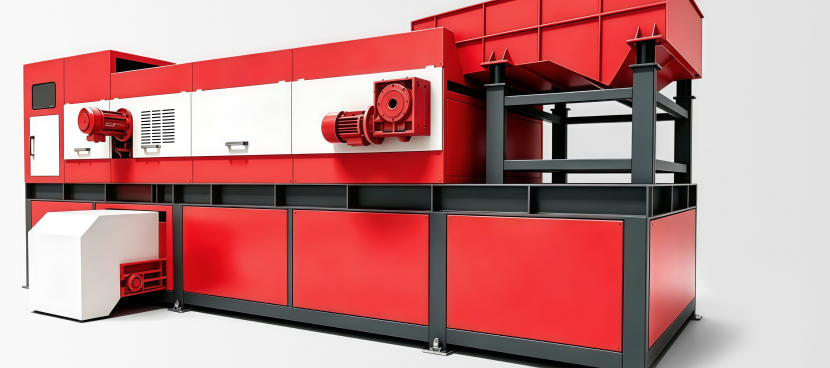
Eddy-field separator that ejects non-ferrous metal by pure repulsion.
Eddy Current Separator (DJ-WDL Series)
Working Principle:
Alternating magnetic field induces eddy currents in non-ferrous metal
Duty:
Continuous long-run operation, low-maintenance structure
Applications:
E-waste recovery, industrial solid waste, aluminium and copper recovery.
Dingjoin Physical Sorting Line Solutions
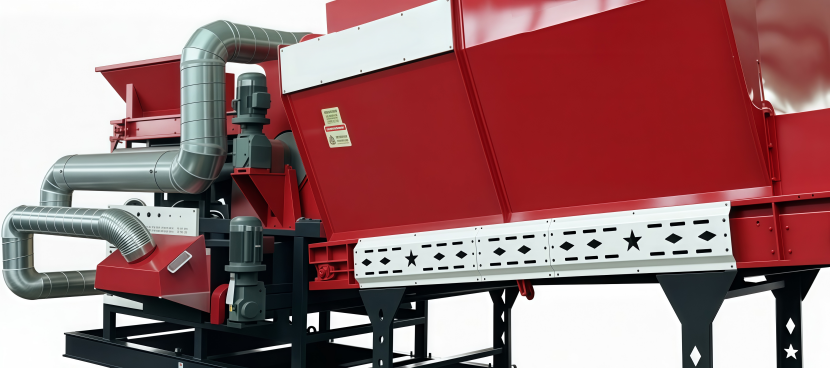
Aerodynamic Separation Let Airflow Do the Sorting.
The DJ-FXJ air separator works on a simple but powerful principle: under the combined action of controllable positive and negative pressure airflow, light and small particles are lifted clear while the heavy fraction drops away, giving a clean split with no moving blades touching the material. Because the separation is done by air rather than friction, dust stays contained inside the system instead of escaping into the yard, and the handful of wearing parts keeps maintenance minimal. Rated from 20 t/d up to 120 t/d, it delivers a consistent light-heavy cut across municipal and construction waste alike.
Size Pre-Screening Grade First, Sort Smarter.
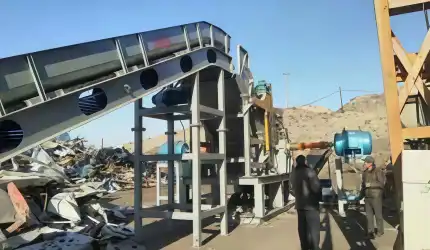
Positioned at the very front of the sorting line, the DJ-GTS trommel screen does the essential work of grading incoming waste by size before any deeper processing begins. As the drum rotates, fine and coarse fractions are separated cleanly, so every downstream machine receives a consistent, well-conditioned stream rather than a chaotic mix that would blind an air separator or overload a magnet. With drum diameters from Ø1800 to Ø3000 mm and capacities beyond 100 t/h, its wide-ranging, energy-saving and low-noise design makes it the dependable first stage of a high-recovery line.
Eddy-Current Recovery Pull the Value Out of the Reject.
The DJ-WDL eddy current separator targets the fraction most lines simply throw away — the non-ferrous metals. Exploiting the difference in electrical conductivity between materials, its alternating magnetic field induces eddy currents in aluminium and copper and ejects them by repulsion, cleanly lifting high-value metal out of the reject stream. Built for excellent separation performance and long, continuous, low-maintenance running, it is the workhorse of electronic-waste and industrial solid-waste recovery, and often the single machine that decides whether a sorting line is merely tidy or genuinely profitable.
Zero-Emission Process Physics Only — Nothing Discharged.
Every stage of a Dingjoin sorting line relies purely on physical methods, which means the whole process runs without releasing waste gas, wastewater or solid residue into the environment. Material is screened, air-classified and magnetically separated entirely by mechanical and aerodynamic force, so valuable metals and non-metals are pulled apart cleanly while the plant stays compliant with environmental standards. For operators facing tightening regulation, this closed, discharge-free approach removes a major compliance headache while still delivering the recovery rates the business depends on.
Modular Integration Three Machines, One Intelligent System.
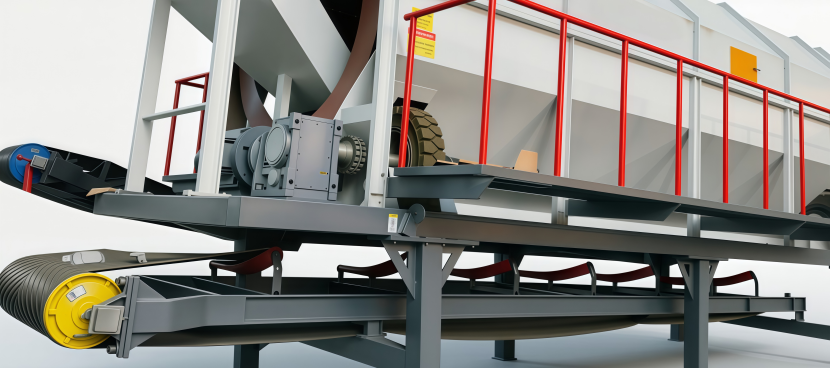
The trommel screen, air separator and eddy-current unit are not standalone boxes but stages of a single, integrated system, linked in a multi-point, multi-machine architecture that hands material cleanly from one to the next. This comprehensive integration lets the line be commissioned in stages and upgraded later without a full rebuild, so capacity and recovery can grow with your business. The result is a smart, well-coordinated plant that transforms mixed solid waste into cleanly separated, market-ready metal and non-metal fractions with minimal manual handling.
Dingjoin Physical Sorting Machine Solutions
Aerodynamic Separation
Aerodynamic Separation Let Airflow Do the Sorting.
The DJ-FXJ air separator works on a simple but powerful principle: under the combined action of controllable positive and negative pressure airflow, light and small particles are lifted clear while the heavy fraction drops away, giving a clean split with no moving blades touching the material. Because the separation is done by air rather than friction, dust stays contained inside the system instead of escaping into the yard, and the handful of wearing parts keeps maintenance minimal. Rated from 20 t/d up to 120 t/d, it delivers a consistent light-heavy cut across municipal and construction waste alike.
Size Pre-Screening
Size Pre-Screening Grade First, Sort Smarter.
Positioned at the very front of the sorting line, the DJ-GTS trommel screen does the essential work of grading incoming waste by size before any deeper processing begins. As the drum rotates, fine and coarse fractions are separated cleanly, so every downstream machine receives a consistent, well-conditioned stream rather than a chaotic mix that would blind an air separator or overload a magnet. With drum diameters from Ø1800 to Ø3000 mm and capacities beyond 100 t/h, its wide-ranging, energy-saving and low-noise design makes it the dependable first stage of a high-recovery line.
Eddy-Current Recovery
Eddy-Current Recovery Pull the Value Out of the Reject.
The DJ-WDL eddy current separator targets the fraction most lines simply throw away — the non-ferrous metals. Exploiting the difference in electrical conductivity between materials, its alternating magnetic field induces eddy currents in aluminium and copper and ejects them by repulsion, cleanly lifting high-value metal out of the reject stream. Built for excellent separation performance and long, continuous, low-maintenance running, it is the workhorse of electronic-waste and industrial solid-waste recovery, and often the single machine that decides whether a sorting line is merely tidy or genuinely profitable.
Zero-Emission Process
Zero-Emission Process Physics Only — Nothing Discharged.
Every stage of a Dingjoin sorting line relies purely on physical methods, which means the whole process runs without releasing waste gas, wastewater or solid residue into the environment. Material is screened, air-classified and magnetically separated entirely by mechanical and aerodynamic force, so valuable metals and non-metals are pulled apart cleanly while the plant stays compliant with environmental standards. For operators facing tightening regulation, this closed, discharge-free approach removes a major compliance headache while still delivering the recovery rates the business depends on.
Modular Integration
Modular Integration Three Machines, One Intelligent System.
The trommel screen, air separator and eddy-current unit are not standalone boxes but stages of a single, integrated system, linked in a multi-point, multi-machine architecture that hands material cleanly from one to the next. This comprehensive integration lets the line be commissioned in stages and upgraded later without a full rebuild, so capacity and recovery can grow with your business. The result is a smart, well-coordinated plant that transforms mixed solid waste into cleanly separated, market-ready metal and non-metal fractions with minimal manual handling.
What Our Sorting Line Separate
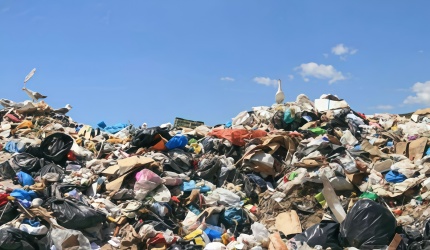
Municipal Solid Waste
Mixed household waste of wildly varying size and weight. The DJ-GTS trommel grades it by size first, then the DJ-FXJ air separator lifts light fractions clear — a clean split at 20–120 t/d with no dust escaping into the yard.
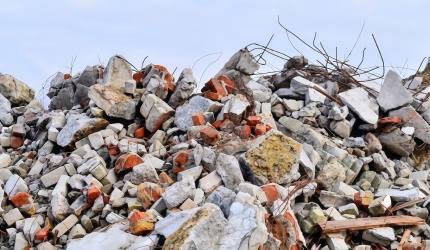
Construction & Demolition Waste
Heavy, dusty rubble mixed with recoverable metal and light debris. Screened and air-classified purely by physical force, the line pulls valuable material out of the stream while running with zero waste gas, wastewater or residue discharged.
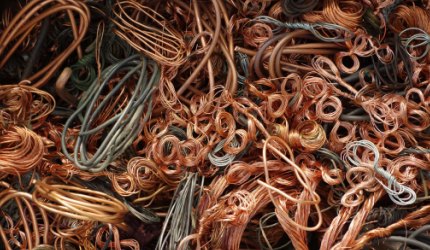
Non-Ferrous Metals
Aluminium, copper and other conductive metals hidden in the reject stream. The DJ-WDL eddy current unit induces currents in these metals and ejects them by repulsion, recovering the high-value fraction that decides whether a line is merely tidy or genuinely profitable.
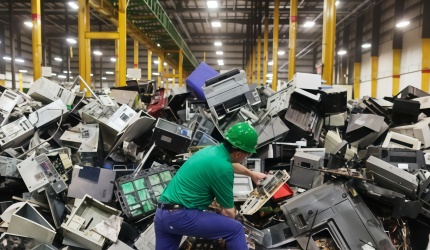
Electronic & Industrial Solid Waste
E-waste and factory solid waste carrying a complex mix of metal and non-metal. Integrated screening, air classification and eddy-current recovery separate the fractions cleanly and continuously, turning difficult waste into market-ready recovered material.
Specifications of Separator
Specifications of Air Separator
| Model | Capacity | Power |
|---|---|---|
| XRD-FX-600 | 20 t/d | 20.7 kW |
| XRD-FX-800 | 40 t/d | 28.25 kW |
| XRD-FX-1000 | 60 t/d | 35.7 kW |
| XRD-FX-1200 | 80 t/d | 44 kW |
| XRD-FX-1400 | 100 t/d | 59 kW |
| XRD-FX-1600 | 120 t/d | 66 kW |
Specifications of Trommel Screen Separator
| Drum Diameter (mm) | Drum Length (m) | Drum Speed (r/min) | Processing Capacity (t/d) | Power (kW) |
|---|---|---|---|---|
| 1800 | 6-10 | 0-14 | ≥50 | 7.5-11 |
| 2000 | 8-11 | 0-13 | ≥60 | 11-15 |
| 2200 | 9-12 | 0-12 | ≥70 | 15-18.5 |
| 2500 | 10-15 | 0-12 | ≥80 | 18.5-22 |
| 3000 | 10-15 | 0-11 | ≥100 | 22-30 |
Air Separator vs. Trommel Screen vs. Eddy Current — Which Sorting Stage Do You Need?
Sorting is rarely one machine’s job — it is a sequence, and each Dingjoin unit does one thing exceptionally well. The mistake buyers make is expecting a single separator to do everything; in practice the trommel, the air separator and the eddy-current unit solve three different problems and are strongest when they work in series. Here is how the three compare, so you can see which stage your stream actually needs first.
How Each One Works
The DJ-GTS trommel screen is a rotating drum that grades material by size. It sits at the very front of the line, dropping fines through the mesh and carrying oversize along, so every machine after it receives a clean, consistent, well-graded feed instead of a chaotic mix.
The DJ-FXJ air separator sorts by weight and aerodynamics, not size. Controllable positive and negative pressure airflow lifts light, small material clear of the heavy fraction, splitting a stream into “light” and “heavy” with no dust escaping and very few wear parts.
The DJ-WDL eddy current separator sorts by conductivity. An alternating magnetic field induces eddy currents in non-ferrous metals and ejects aluminium and copper by repulsion — the only one of the three that actually pulls specific metals out of the reject.
Which Should You Choose?
| Factor | Trommel Screen | Air Separator | Eddy Current |
|---|---|---|---|
| Sorts by | Particle size | Weight / aerodynamics | Electrical conductivity |
| Line position | Front-end / first stage | Mid-line, after screening | Recovery / final stage |
| Separates | Fines from oversize | Light from heavy fraction | Non-ferrous metal from reject |
| Capacity | ≥50 to ≥100 t/h | 20 t/d to 120 t/d | Continuous long-run duty |
| Best target | Mixed MSW & C&D waste | Light debris, film, dust | Aluminium, copper, e-waste |
| Key strength | Wide range, high output | Zero dust leakage | High-value metal recovery |
Start with the trommel screen if your feed is raw, mixed and un-graded — nothing downstream works well until size is under control.
Add the air separator when you need to strip light contaminants off a heavier metal stream.
Finish with the eddy current separator when the money is in the non-ferrous fraction and you want to recover every gram of aluminium and copper.
Dingjoin Sorting Line Prices & ROI Analysis
Factory-Direct Pricing Structure
Buy the sorting line straight from the manufacturer. Dingjoin engineers and builds the trommel, air separator and eddy-current unit in-house, so you pay factory price for a line configured to your stream — not a marked-up package assembled from third-party boxes by a trading agent.
- Single-Stage Entry: Start with one unit — the DJ-GTS trommel or DJ-FXJ air separator — for a lower entry price and immediate size or light-fraction sorting.
- Integrated Recovery Line: Add the DJ-WDL eddy current unit for full ferrous-to-non-ferrous recovery, 20–120 t/d, scaled as your volumes grow.
ROI Breakdown: How the Machine Pays for Itself
A sorting line turns mixed waste — which normally costs you to dispose of — into separated, saleable material. The payback is the value you stop throwing away.
A. Recover the Metal You Currently Bury
Without sorting, aluminium and copper leave with the reject. The eddy-current stage pulls this high-value non-ferrous fraction out of the stream, and that recovered metal alone often carries the economics of the whole line.
B. Sort by Physics, Skip the Compliance Bill
The line runs on air, size and magnetic force alone — no waste gas, wastewater or residue discharged. That means clean, saleable fractions and no add-on cost for emissions treatment or disposal penalties as regulation tightens.
Cost Comparison Table
Reference Scenario: processing roughly 60 t/d of mixed solid waste.
| Cost Factor | Manual / No Sorting | Dingjoin Sorting Line | Your Advantage |
|---|---|---|---|
| Non-ferrous recovery | Lost with the reject | Ejected by eddy current | New revenue stream |
| Labor | Hand-picking crews | Automated, continuous | Lower wage bill |
| Dust & emissions | Open, uncontained | Negative-pressure, no leakage | Compliant, no treatment cost |
| Feed consistency | Chaotic mix | Screened, graded stream | Higher purity, better prices |
Why Our Sorting Line Outlasts the Cheaper Alternatives
1. Aerodynamics Over Friction Sorting Without the Wear and Tear.
Most sorting machines rely on mechanical paddles or screens that constantly grind against abrasive waste, wearing out fast. The DJ-FXJ air separator uses controllable positive and negative pressure to lift light fractions clear. Because the actual separation is done by airflow rather than physical contact, there are virtually no internal wear parts, dropping your maintenance costs to near zero.
2. Zero Dust Leakage Design Protecting the Bearings and the Operators.
Running C&D or MSW creates clouds of abrasive dust that destroys bearings and attracts environmental fines. Cheap open-air sorters let this dust escape. Dingjoin’s negative-pressure design keeps the airflow and the dust strictly contained within the system. The plant stays clean, compliant, and the mechanical drive components are protected from grit.
3. Heavy-Duty Trommel Construction A Screen That Doesn’t Sag.
The trommel screen takes the heaviest, rawest feed at the front of the line. Generic drums use thin mesh and weak frames that sag and tear under the weight of wet municipal waste. The DJ-GTS is built with a reinforced barrel structure and heavy-duty rollers, designed to spin continuously under a ≥100 t/h load without deforming, ensuring the downstream machines never get blinded.
4. High-Repulsion Eddy Current Field Pulling the Metal Cheap Machines Miss.
The profitability of a sorting line lives or dies on non-ferrous recovery. Budget eddy-current units use weak, widely spaced magnets that leave valuable copper and aluminium in the reject pile. The DJ-WDL uses a tightly packed, high-frequency alternating magnetic field that induces massive repulsive force, cleanly ejecting even small non-ferrous pieces for maximum revenue recovery.
Dingjoin vs. Generic Brands
| Feature | Our Sorting Line | Generic / Budget Brands |
|---|---|---|
| Air separator wear | Aerodynamic sorting, almost no wear parts | Mechanical paddles, high friction and wear |
| Dust control | Negative-pressure, zero dust leakage | Open design, abrasive dust ruins bearings |
| Trommel frame | Reinforced barrel, heavy-duty rollers | Thin mesh, sags and tears under heavy MSW |
| Eddy current field | High-frequency, tight magnetic array | Weak field, leaves valuable metal in reject |
| Environmental | Purely physical, zero emissions/wastewater | Often requires add-on wet suppression |
The Sorting System Is Where Your Line Stops Making Fragments and Starts Making Money
This is the most important stage for any buyer to understand, because it directly determines your revenue per ton. A crusher alone gives you a dense but mixed, contaminated pile that sells at a discount. The sorting line is what converts that pile into two clean, separately-priced commodities. It always sits immediately downstream of the crusher, taking the liberated output and purifying it.
The flow buyers should map onto their own line:
- DJ-GTS trommel — first, screens out abrasive dirt, glass and fines so downstream units aren’t blinded or worn down.
- DJ-FXJ air separator — next, blows off the light shredder residue (foam, plastic, fabric) with zero dust leakage.
- DJ-WDL eddy current — last, ejects the copper and aluminium that carry the highest per-kg value on the whole line.
The buyer takeaway: you can start with one stage and expand modularly as volume grows — a trommel alone already lifts your ferrous purity, and adding the eddy current unlocks the non-ferrous revenue that often funds the rest of the plant. If your goal is margin rather than just volume, the sorting line is not the accessory to the crusher — it’s the reason the crusher pays off.
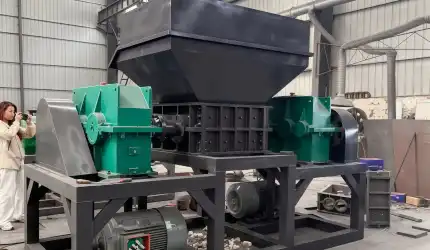
Our Metal Scrap Shredding Production line:
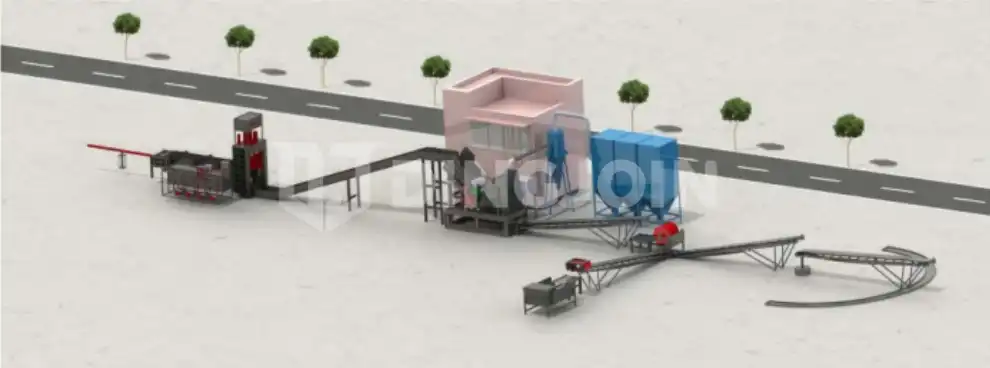
Pre-Shearing & Fine Crushing for Massive Bulk Waste.
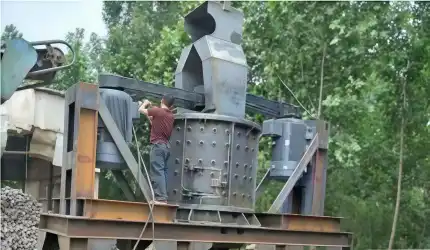
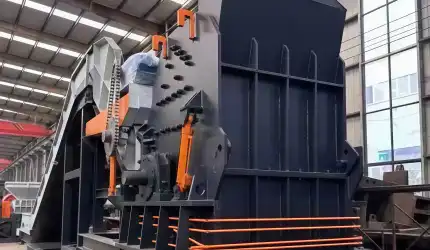
Specifically designed for handling large-volume and bulky materials, this integrated line adopts an advanced combination of a multi-blade hydraulic shear and a heavy-duty scrap crusher. Large objects are first pre-sheared into manageable pieces and then continuously transported to the crushing and sorting line for fine processing. This system effectively multiplies your hourly output while drastically increasing the final material density.
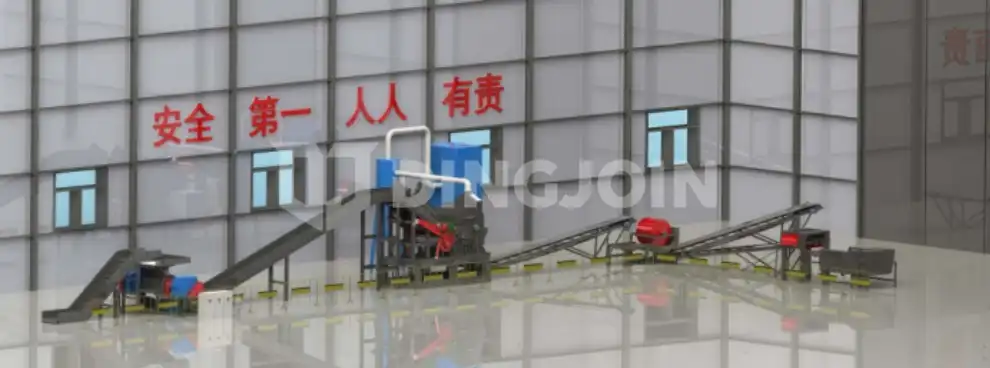
Primary Shredding & Hammer Crushing for Mid-to-Large Solid Waste.
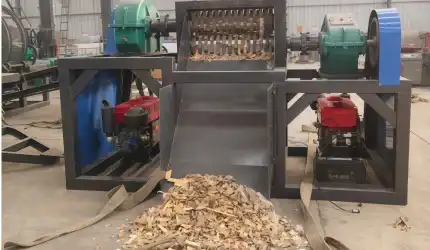
Engineered for mid-sized materials with large volumes, this production line uses a high-performance double shaft shredder (equipped with robust alloy blades) paired with a secondary hammer crusher. This dual-stage crushing, shredding, and screening setup provides a smooth, non-stop flow, ensuring even tough, hollow industrial plastics and light metal scrap are processed down to perfect sorting dimensions.
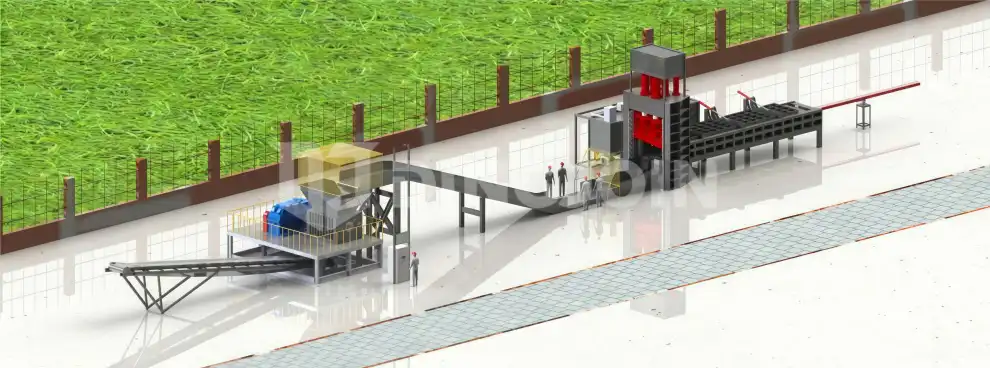
Continuous Shearing and Tearing for Disordered Rebar.
This specialized system completely replaces traditional, slow methods of processing long, tangled, bent, and bundled scrap reinforcement bars. The waste rebar is first fed into our high-force hydraulic shear to be processed into short, loose pieces, and then automatically transferred via conveyors to the sorting platform and heavy-duty rebar shredder for final, absolute size reduction.
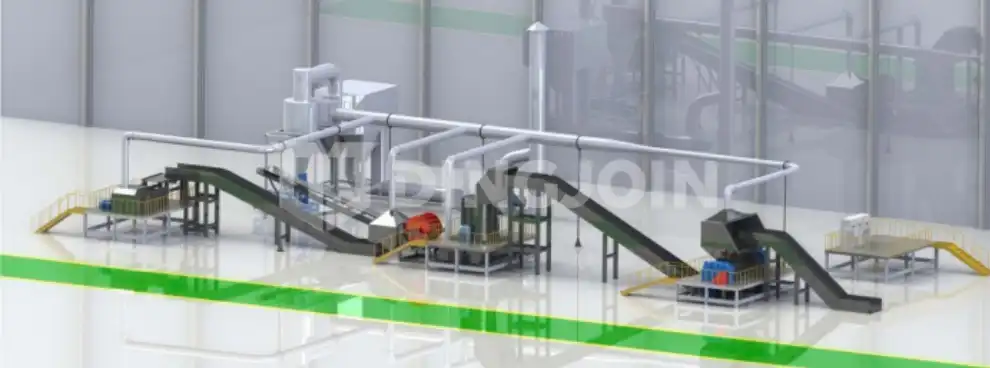
Tower-Type Enclosed Processing with Zero Pollution.
Our advanced tower-type processing line offers a fully automated and eco-friendly system for recycling waste refrigerators and large home appliances (WEEE). By utilizing entirely physical sorting and dry crushing methods, this enclosed system produces zero hazardous gas, wastewater, or residue discharges, while achieving maximum separation rates of valuable ferrous and non-ferrous metals from plastics.
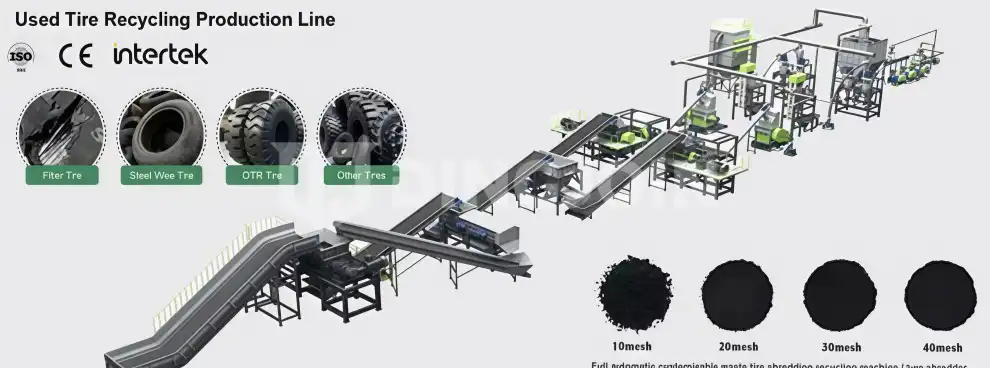
Complete Steel-Free Rubber Granules & Powder Production.
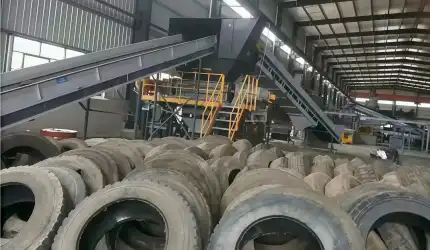
A highly automated, continuous recycling solution designed to process scrap passenger car, truck, and OTR tires into high-purity rubber granules and fine powder (ranging from 30 to 120 mesh). The system utilizes an advanced physical crushing and magnetic separation process to deliver final rubber products that are 100% free of steel wires and fibers.
Global Cases of Physical Sorting Lines
Dingjoin physical sorting lines are transforming municipal solid waste, C&D debris, and e-waste into clean, valuable fractions for environmental contractors and recyclers worldwide. From the initial size-grading of the DJ-GTS trommel to the zero-dust aerodynamic lift of the DJ-FXJ air separator, and finally the high-value non-ferrous recovery of the DJ-WDL eddy current unit, our systems prove that you can achieve exceptional purity without emissions or wastewater. Backed by modular integration and global shipping support, facilities across the globe trust our equipment to keep them compliant while maximizing their recovered revenue.