Hydraulic Balers That Compress Loose Metal Into Cash
“Press. Bind. Ship — Bale Weights From 250 kg up to 2.5 Tons.“
Chips, offcuts, scrap copper and aluminium, gutted car shells and empty oil drums, all squeezed into clean, stackable charges.
- DJ-JSDB Series: Five pressing forces from 250 t to 2000 t, bale shape made to your order
- Power Your Way: Manual or fully automatic control, with a diesel option for off-grid yards
- Made to Fit: Press-box dimensions and bale geometry customized to your furnace intake
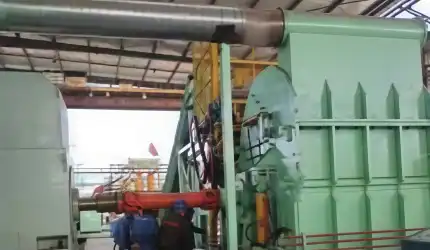
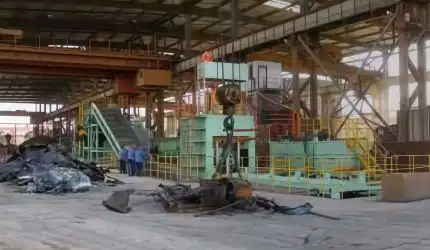
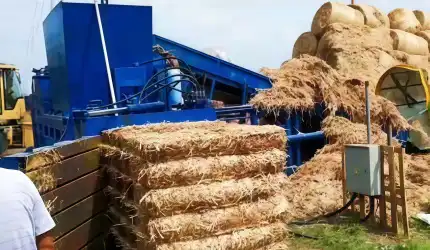
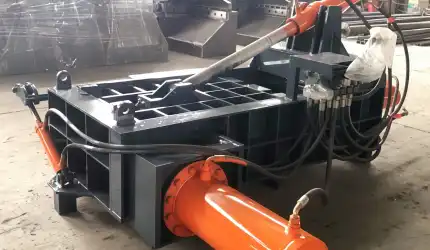
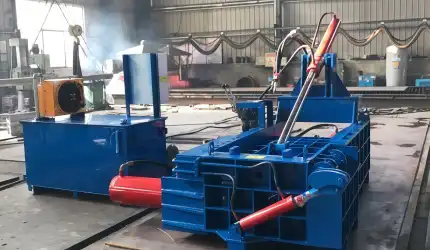
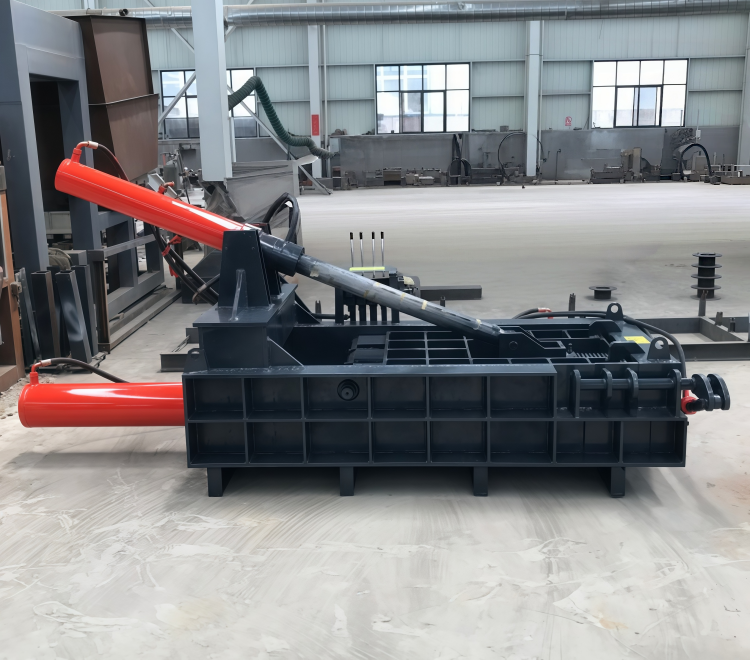
Hydraulic Scrap Metal Baler
Engineered to compress bulky, loose metal scrap into high-density, furnace-ready bales where ordinary handling fails. Featuring a powerful hydraulic drive and custom press-box designs, this machine ensures superior compaction on chips, offcuts, and car shells. Designed to handle irregular scrap in harsh environments, allowing you to maximize transport payload and melt efficiency regardless of the material conditions.
Nominal Pressing Force
Bale Weight
Power
Operation Mode
250-2000t
250 kg – 2.5 Tons
Electric / Diesel
Manual / PLC Automatic Control
Using Applications:
Metal recycling yards / Steel mills & foundries / Machining & fabrication shops / End-of-life vehicle dismantling / Off-grid mobile recycling
Market Outlook (2026-2030): Why Invest in Hydraulic Metal Balers?
The global metal recycling and smelting landscape is evolving. Between 2026 and 2030, hydraulic scrap metal balers are positioned as critical assets for yards and foundries requiring high-density scrap processing and logistics efficiency.
1. Surging Freight and Logistics Costs
Global transportation costs are pushing recyclers to maximize the payload of every single truck. Shipping loose scrap means paying freight to “haul air.” The demand for machinery that combines extreme compaction with custom bale geometry is at an all-time high, allowing yards to hit maximum legal truck weights and drastically cut logistics spend.
2. Steel Mills Demanding Premium Feedstock
The smelting sector is shifting towards energy efficiency to combat rising power prices and carbon regulations. Loose scrap requires more energy to melt, burns off faster, and yields more slag. Balers are increasingly essential because foundries now pay a premium for dense, uniform furnace charge that melts quickly and cleanly.
3. The Rise of the Circular Economy & Non-Ferrous Value
As the world pushes for sustainable resource loops, the value of recovered copper, aluminium, and specialized alloys is skyrocketing. Baling protects these high-value non-ferrous metals from oxidation, theft, and loss during transit, ensuring maximum return on investment from workshop to smelter.
4. Automation and Off-Grid Flexibility
Future operations demand both lower labor dependency and higher adaptability. Our Dingjoin baling equipment is future-proofed with state-of-the-art PLC automation to cut labor costs, alongside heavy-duty diesel-drive options. This ensures your equipment remains operational and profitable even in remote, off-grid demolition sites through 2030.
Dingjoin Hydraulic Metal Baler Solutions
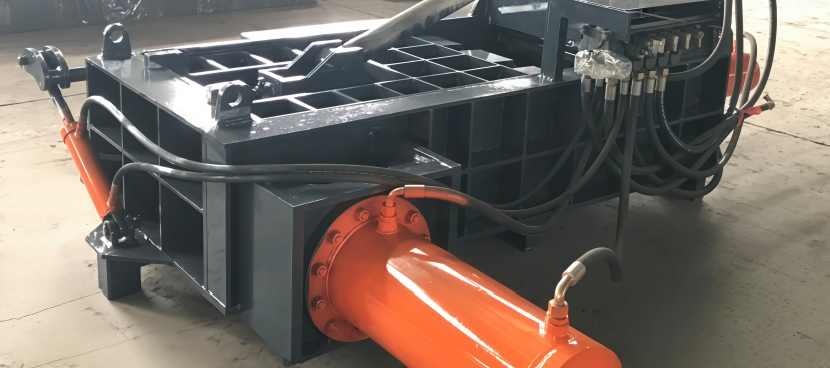
Full Hydraulic Drive Steady Pressure, Predictable Bales.
Every DJ-JSDB model is driven purely by hydraulics, and that clean, controllable power delivery is what turns a chaotic pile of chips, offcuts and thin scrap into tight, uniform, repeatable bales. Because the pressing force builds smoothly rather than in mechanical jolts, the material is compacted to a consistent density every stroke, cold-formed without heat, additives or any process that would alter the original metal. Cast iron turnings pressed this way go straight back to the furnace in place of pig iron, so the baler protects both the quality and the market value of what you feed it.
Manual or Auto Control Run It Hands-On or Hands-Off.
The control system adapts to how your yard actually works: operators can drive the machine manually when handling mixed or unpredictable feed, then switch to fully automatic mode for high-volume production runs that need minimal supervision. Finished bales are discharged the way that best suits your handling setup, whether that is automatic bale-turning, push-out ejection or pickup by a grab crane. This flexibility lets a single machine serve both a small recycling station and a high-throughput operation without forcing you into one rigid way of working.
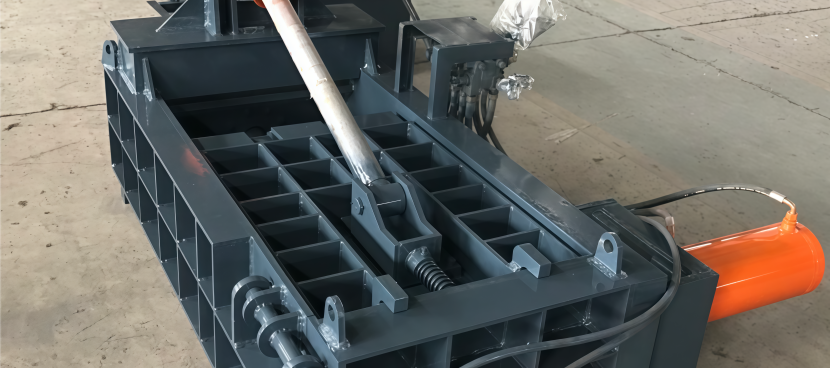
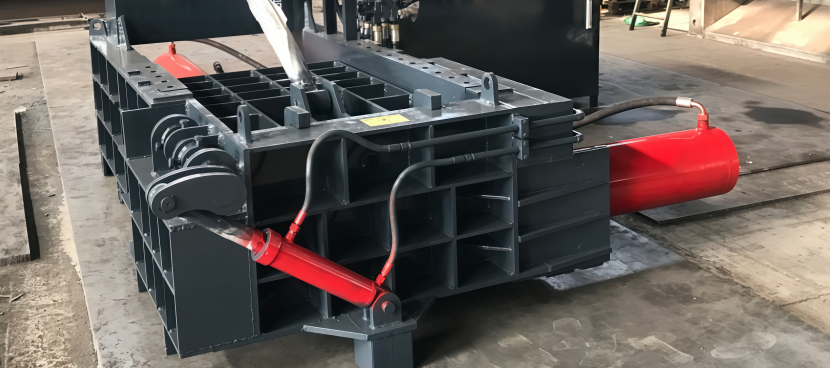
Diesel Power Option No Grid? No Problem.
Not every scrap site sits next to a reliable power supply, so Dingjoin offers a diesel engine as an alternative drive for remote yards, demolition sites and mobile operations. The baler keeps its full pressing capacity while cutting the cord to the grid entirely, which means recovery work can begin the moment the machine arrives rather than waiting on electrical infrastructure. For contractors who chase scrap across multiple locations, this single option turns a fixed plant into a genuinely deployable asset that earns wherever the material happens to be.
Custom Bale Geometry Shaped for Your Furnace, Not a Catalog.
Press-box dimensions and finished bale shape are built to order — cuboid, cylinder or octagon — so the bales drop straight into your furnace intake instead of forcing you to adapt around a generic block. Across the DJ-JSDB range that means bale weights anywhere from 250 kg up to a full 2.5 t, matched to your charging equipment and melt schedule. By tailoring the geometry to the way your plant actually feeds, Dingjoin maximises storage density, simplifies stacking and transport, and squeezes the most furnace value out of every compacted package.
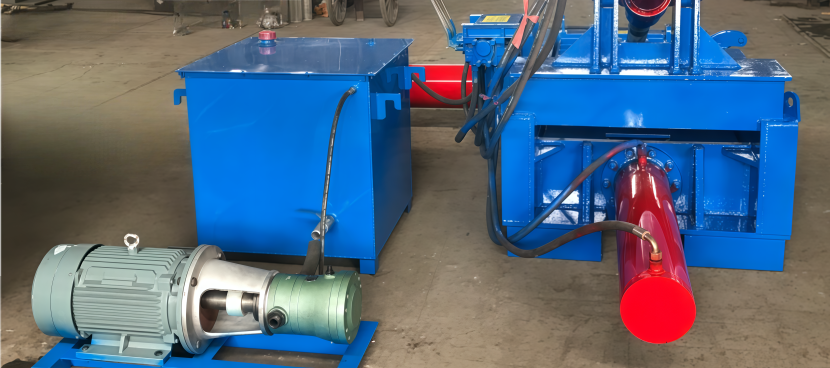
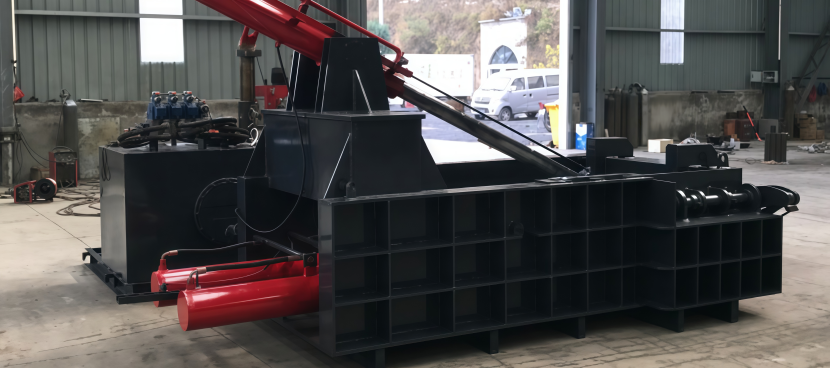
Low-Maintenance Build Reliable Structure, Modest Upkeep
Behind the pressing force sits a set of structural members engineered for a long working life at deliberately low maintenance cost, because a baler only earns money while it is running. Heavy, well-supported frames absorb the reaction loads of high-tonnage pressing without fatiguing, and the straightforward hydraulic layout keeps servicing simple and parts accessible. Over the full life of the machine this restraint on downtime and upkeep is what drives the cost-per-bale steadily down, protecting the margin on every ton of scrap you compress and ship.
Dingjoin Hydraulic Metal Baler Solutions
Full Hydraulic Drive
Full Hydraulic Drive Steady Pressure, Predictable Bales.
Every DJ-JSDB model is driven purely by hydraulics, and that clean, controllable power delivery is what turns a chaotic pile of chips, offcuts and thin scrap into tight, uniform, repeatable bales. Because the pressing force builds smoothly rather than in mechanical jolts, the material is compacted to a consistent density every stroke, cold-formed without heat, additives or any process that would alter the original metal. Cast iron turnings pressed this way go straight back to the furnace in place of pig iron, so the baler protects both the quality and the market value of what you feed it.
Manual or Auto Control
Manual or Auto Control Run It Hands-On or Hands-Off.
The control system adapts to how your yard actually works: operators can drive the machine manually when handling mixed or unpredictable feed, then switch to fully automatic mode for high-volume production runs that need minimal supervision. Finished bales are discharged the way that best suits your handling setup, whether that is automatic bale-turning, push-out ejection or pickup by a grab crane. This flexibility lets a single machine serve both a small recycling station and a high-throughput operation without forcing you into one rigid way of working.
Diesel Power Option
Diesel Power Option No Grid? No Problem.
Not every scrap site sits next to a reliable power supply, so Dingjoin offers a diesel engine as an alternative drive for remote yards, demolition sites and mobile operations. The baler keeps its full pressing capacity while cutting the cord to the grid entirely, which means recovery work can begin the moment the machine arrives rather than waiting on electrical infrastructure. For contractors who chase scrap across multiple locations, this single option turns a fixed plant into a genuinely deployable asset that earns wherever the material happens to be.
Custom Bale Geometry
Custom Bale Geometry Shaped for Your Furnace, Not a Catalog.
Press-box dimensions and finished bale shape are built to order — cuboid, cylinder or octagon — so the bales drop straight into your furnace intake instead of forcing you to adapt around a generic block. Across the DJ-JSDB range that means bale weights anywhere from 250 kg up to a full 2.5 t, matched to your charging equipment and melt schedule. By tailoring the geometry to the way your plant actually feeds, Dingjoin maximises storage density, simplifies stacking and transport, and squeezes the most furnace value out of every compacted package.
Low-Maintenance Build
Low-Maintenance Build Reliable Structure, Modest Upkeep
Behind the pressing force sits a set of structural members engineered for a long working life at deliberately low maintenance cost, because a baler only earns money while it is running. Heavy, well-supported frames absorb the reaction loads of high-tonnage pressing without fatiguing, and the straightforward hydraulic layout keeps servicing simple and parts accessible. Over the full life of the machine this restraint on downtime and upkeep is what drives the cost-per-bale steadily down, protecting the margin on every ton of scrap you compress and ship.
What Our Hydraulic Metal Baler Process
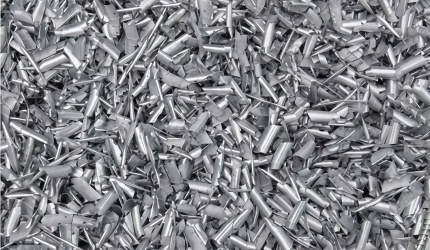
Machining Chips & Turnings
Loose cast-iron, steel, copper and aluminium swarf that is bulky, hazardous to handle and hard to sell. Cold-pressed into solid cakes without heat or additives, the chips keep their original metallurgy — cast-iron turnings go back to the furnace in place of pig iron.
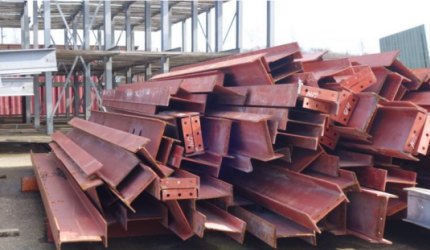
Metal Offcuts & Structural Scrap
Larger leftovers, scrap steel and scrap iron from workshops and demolition. The DJ-JSDB range, from 250 t up to 2000 t of pressing force, squeezes them into tight cuboid, cylinder or octagon bales sized to drop straight into your furnace intake.
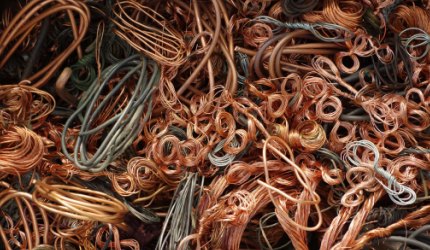
Scrap Copper & Aluminium
High-value non-ferrous offcuts and light scrap that lose money as loose volume. Baling concentrates them into dense, uniform 250 kg–2.5 t packages, cutting storage footprint and protecting the metal’s grade all the way to the smelter.
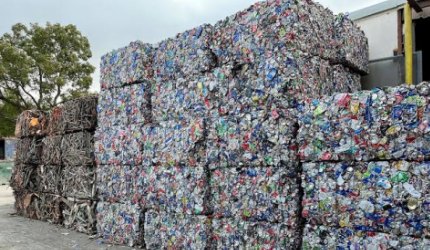
Car Shells & Empty Drums
Dismantled automobile shells and empty oil drums that waste truck space when shipped loose. Compressed into regular blocks, they stack neatly and ship at a fraction of the freight cost, ready for recycling and remelting.
Specifications of Metal Balers
| Model | Press Force (ton) | Press Box Size (mm) | Bale Size (mm) | Bale Weight (kg) | Motor Power (kW) |
|---|---|---|---|---|---|
| DJ‑JSDB‑250 | 250 | 200017501000 | 500*500 | 250‑450 | 45 |
| DJ‑JSDB‑315 | 315 | 300025001200 | 600*600 | 400‑700 | 55 |
| DJ‑JSDB‑500 | 500 | 350030001200 | 700*700 | 900‑1500 | 90 |
| DJ‑JSDB‑1000 | 1000 | 350030001400 | 700*700 | 1300‑1900 | 90+90 |
| DJ‑JSDB‑2000 | 2000 | 400030001500 | 700*700 | 1800‑2500 | 110*4 |
Dingjoin Metal Baler Prices & ROI Analysis
Factory-Direct Pricing Structure
Dingjoin builds the frame, hydraulic system and press box in-house, so the DJ-JSDB baler reaches you at factory cost with no reseller premium. Because press-box size and bale shape are made to order, you pay for the configuration your furnace actually needs — not a generic block you have to work around.
- Standard Series (DJ-JSDB-250 / 315 / 500): 45–90 kW, 250–500 t force — bales of 250 kg to 1.5 t for workshops and recycling stations.
- Heavy Series (DJ-JSDB-1000 / 2000): 90+90 to 110×4 kW, 1000–2000 t force — dense 1.3–2.5 t bales for high-volume operations.
ROI Breakdown: How the Machine Pays for Itself
Baling converts a handling headache into shippable, sellable product. The return shows up in freight, in price, and in the metal you stop losing.
A. Stop Paying Freight to Haul Air
Loose chips, offcuts and empty drums are almost all empty space. Compressed into tight cuboid, cylinder or octagon bales, the same tonnage ships in a fraction of the truck volume — fewer trips, lower logistics cost per ton.
B. Sell a Cleaner, Higher-Value Charge
Cold-pressed bales keep their original metallurgy with very low loss, so cast-iron turnings substitute directly for pig iron and non-ferrous bales sell at grade. Uniform, dense packages command better terms than loose, mixed scrap.
Cost Comparison Table
Reference Scenario: handling roughly 800 tons of loose metal per month.
| Cost Factor | Shipping Loose Metal | Shipping Baled Metal | Your Advantage |
|---|---|---|---|
| Transport density | Bulky, low fill | Dense uniform bales | Far fewer freight trips |
| Storage footprint | Sprawling piles | Neatly stacked blocks | More yard, less clutter |
| Price at smelter | Loose-scrap rate | Furnace-ready charge rate | Higher price per ton |
| Off-grid capability | Tied to power supply | Optional diesel drive | Earn on remote sites too |
Why Our Metal Baler Outlasts the Cheaper Alternatives
1. Pure Hydraulic Drive with Smooth Force Cold-Pressing Without the Shock.
Mechanical balers or cheap hydraulic setups deliver force in violent, jerky spikes that tear apart the frame over time. The Dingjoin DJ-JSDB series uses a premium, large-flow hydraulic logic system that builds pressure smoothly and continuously. This steady force compacts scrap into dense, uniform bales while protecting the machine’s structural welds from destructive shock loads.
2. Heavy-Duty Wear Plates Armored Where the Scrap Bites Hardest.
Compressing jagged steel offcuts and abrasive cast-iron chips strips the steel right off the inside of a standard press box. We line the pressing device, side compression walls, and pusher box with high-strength, wear-resistant alloy steel plates. This sacrificial armor takes the abuse, keeping the core frame intact and drastically extending the service interval of the chamber.
3. Independent Cooling & Filtration Cold, Clean Oil Means a Machine That Lasts.
Hydraulic failure is almost always caused by hot, dirty oil. Budget balers run their fluid until it cooks the seals. Dingjoin equips the working oil circuit with an independent return filtration and water-cooling unit. It keeps the oil temperature below 55°C and filters down to 20 microns, ensuring the pumps and cylinders run reliably even during back-to-back summer shifts.
4. Custom-Built Press Box Geometry Engineered to Fit, Not Forced to Work.
Buying a generic baler often means forcing your furnace to accept a bale size it wasn’t designed for, leading to jammed intakes and frustrated operators. Dingjoin custom-builds the press-box dimensions and bale shape (cuboid, cylinder, or octagon) to match your specific charging equipment, ensuring the machine integrates seamlessly into your plant rather than fighting it.
Dingjoin vs. Generic Brands
| Feature | Our Metal Baler | Generic / Budget Brands |
|---|---|---|
| Hydraulic system | Large-flow logic valves, smooth force | Basic valves, jerky movement and shock loads |
| Chamber lining | High-strength wear-resistant alloy plates | Bare mild steel, wears through quickly |
| Oil conditioning | Independent cooling & 20-micron filtration | No dedicated cooling, seals overheat and fail |
| Bale geometry | Custom-sized to your furnace intake | Fixed generic sizes, awkward to charge |
| Power options | Electric or off-grid diesel engine | Electric only, useless on remote sites |
Where the Baler Earns Its Place — At Both Ends of Your Processing Line
Buyers often ask whether they need a baler at all if they already have a crusher. The answer depends on what you are shipping and what you are feeding. The baler is not a size-reducer; it is a density and logistics tool, and it pays for itself at two specific points in the line.
- At the front end — for yards handling thin, springy, “floaty” material (wire, siding, light clippings) that a shredder can’t grip efficiently, the baler pre-compresses it into dense logs so the shredder actually bites and processes at rated throughput.
- At the back end — once your sorting line has recovered clean ferrous and high-value non-ferrous fractions, shipping them loose burns your margin on freight. The baler compresses them into stackable 250 kg–2.5 t bales that hit maximum truck payload and protect grade to the smelter.
The purchase decision comes down to your freight-to-value ratio. If you routinely ship loose scrap, the DJ-JSDB series (250–2000 t) typically recovers its cost through freight savings and premium bale pricing alone — and the diesel option means it earns even on off-grid demolition sites. Buy the baler when your problem is transport cost and shipping value, not fragment size.
Our Metal Scrap Shredding Production line:
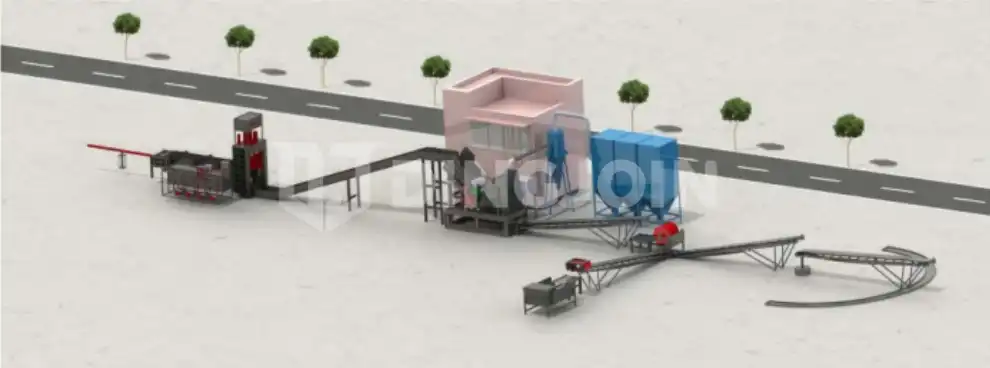
Pre-Shearing & Fine Crushing for Massive Bulk Waste.
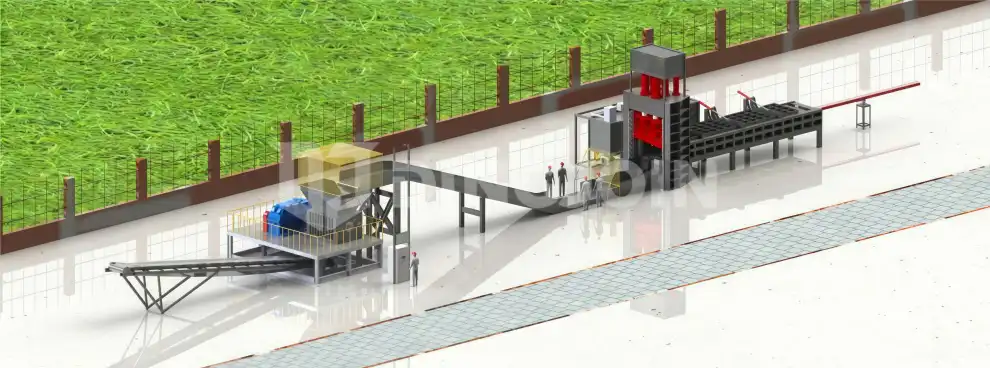
Specifically designed for handling large-volume and bulky materials, this integrated line adopts an advanced combination of a multi-blade hydraulic shear and a heavy-duty scrap crusher. Large objects are first pre-sheared into manageable pieces and then continuously transported to the crushing and sorting line for fine processing. This system effectively multiplies your hourly output while drastically increasing the final material density.
Primary Shredding & Hammer Crushing for Mid-to-Large Solid Waste.
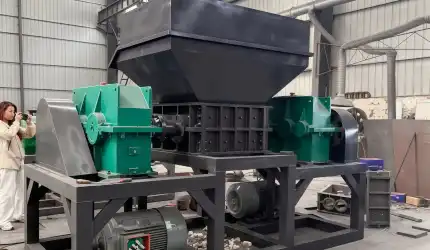
Engineered for mid-sized materials with large volumes, this production line uses a high-performance double shaft shredder (equipped with robust alloy blades) paired with a secondary hammer crusher. This dual-stage crushing, shredding, and screening setup provides a smooth, non-stop flow, ensuring even tough, hollow industrial plastics and light metal scrap are processed down to perfect sorting dimensions.
Continuous Shearing and Tearing for Disordered Rebar.
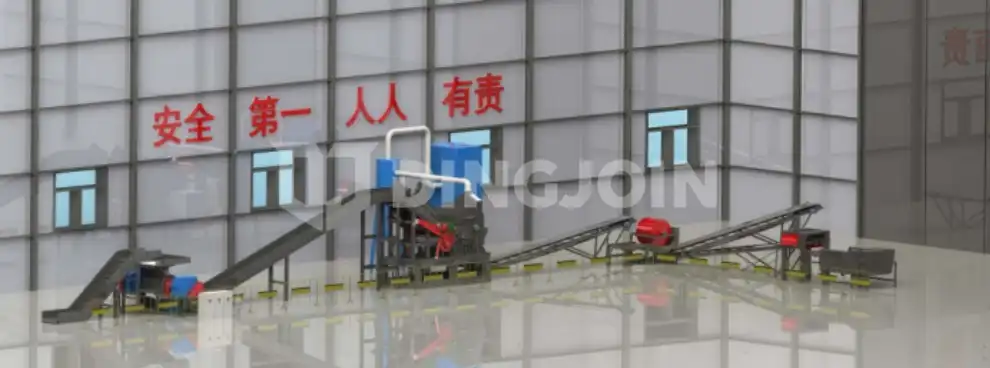
This specialized system completely replaces traditional, slow methods of processing long, tangled, bent, and bundled scrap reinforcement bars. The waste rebar is first fed into our high-force hydraulic shear to be processed into short, loose pieces, and then automatically transferred via conveyors to the sorting platform and heavy-duty rebar shredder for final, absolute size reduction.
Tower-Type Enclosed Processing with Zero Pollution.
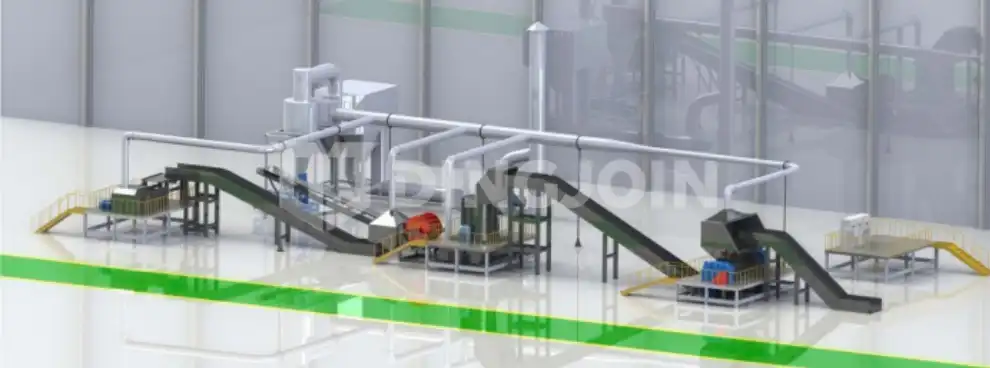
Our advanced tower-type processing line offers a fully automated and eco-friendly system for recycling waste refrigerators and large home appliances (WEEE). By utilizing entirely physical sorting and dry crushing methods, this enclosed system produces zero hazardous gas, wastewater, or residue discharges, while achieving maximum separation rates of valuable ferrous and non-ferrous metals from plastics.
Complete Steel-Free Rubber Granules & Powder Production.
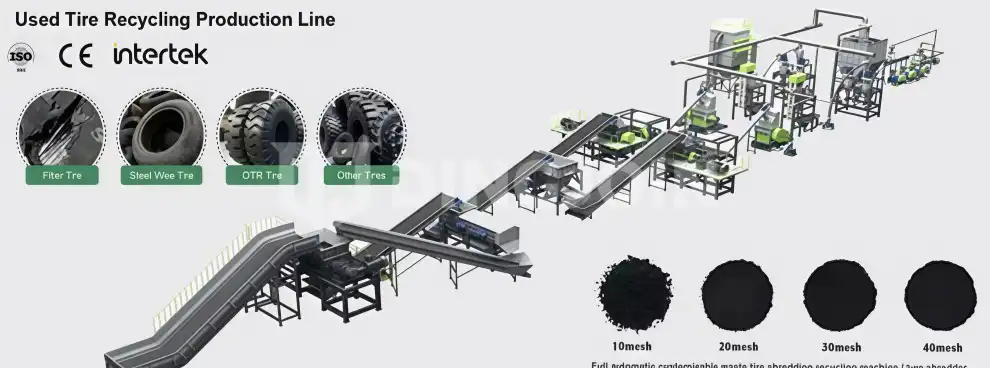
A highly automated, continuous recycling solution designed to process scrap passenger car, truck, and OTR tires into high-purity rubber granules and fine powder (ranging from 30 to 120 mesh). The system utilizes an advanced physical crushing and magnetic separation process to deliver final rubber products that are 100% free of steel wires and fibers.
Global Cases of Hydraulic Metal Balers
From busy machining shops dealing with loose turnings to remote demolition sites operating off the grid, Dingjoin metal balers are deployed globally to solve scrap logistics. Wherever bulky offcuts, empty drums, and non-ferrous scrap threaten to overwhelm yard space or inflate freight costs, our DJ-JSDB series steps in to compress them into tight, stackable, furnace-ready bales. Offering custom bale geometries, pure hydraulic drive, and optional diesel power, we provide worldwide recyclers with the exact pressing force they need—at a factory-direct price that guarantees a rapid return on investment.