Industrial-Grade Tyre Recycling Plant Solutions
“Up to 99.99% Separation Purity. Operate Your Complete Recycling Line with a Maximum of 2 People.“
Process tyres from 400mm to massive 3000mm in diameter. Effortlessly turn steel-belted radials, truck tyres, and giant OTR tyres into highly marketable 5 to 100 mesh rubber powder.
- Capacity Options: 500 KG/H to 2,000+ KG/H standard configurations, engineered with a compact footprint to save valuable workshop space.
- Eco-Friendly & High Purity: Physical crushing and separation process that achieves up to 99.99% steel wire purity with a dust-free and clean working environment.
- Maximum Automation: A fully continuous line integrating shredding, wire-stripping, granulating, and fine grinding—all managed under an intelligent control system.
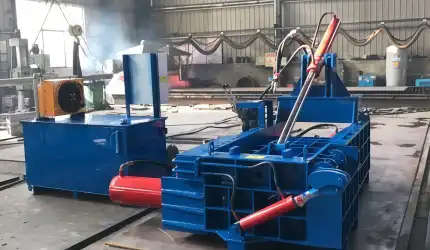
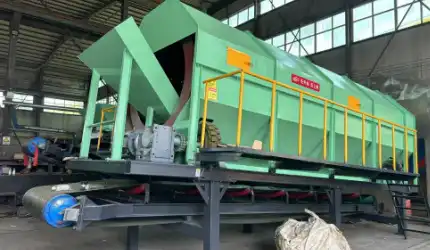
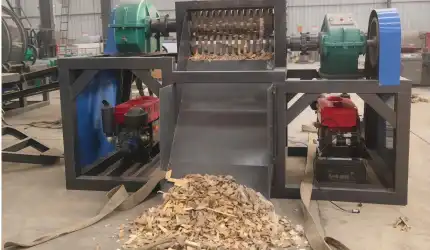
Waste Tyre Recycling Plant
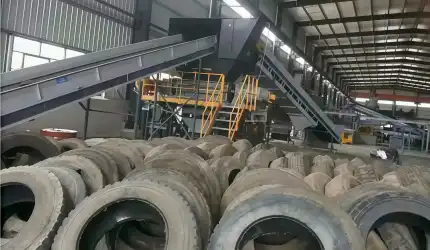
Maximize your recycling profitability with Dingjoin’s high-efficiency, stationary tyre recycling plant. Engineered with a continuous physical crushing and separation process, it safely reduces scrap tires into valuable rubber granules and powder without emitting harmful dust or gases. The highly automated system ensures consistent output quality and low maintenance costs, making it a reliable and environmentally friendly solution for global recyclers.
Productivity:
500 kg/h – 2,000 kg/h
Core Machinery
Multi-Stage Processing (Shredder ➡️ Rasper ➡️ Granulator ➡️ Miller)
Applicable Tyres
Ø400mm – Ø3000mm (PCR, TBR & Giant OTR Tyres)
Target Output
5 – 100 Mesh Rubber Powder & Clean Steel Wire (Up to 99.99% Purity)
Using Applications:
Pyrolysis Oil Refining / Recycled Rubber / Athletic Runways / Rubber Tiles & Mats / Modified Asphalt for Highways / Waterproofing Membranes
Global Market Outlook: Capitalize on the Green Infrastructure & Rubber Boom (2026-2030)
Entering the year 2026, waste tyre recycling is no longer just about waste disposal—it has transformed into a highly lucrative raw material supply chain. Driven by global infrastructure investments and strict carbon emission policies, the demand for high-quality recycled rubber and steel is skyrocketing. Now is the ultimate time to secure your market share.The concrete industry is entering a “Golden Era” of growth.
Key Market Growth Drivers for Recyclers:
1. The Boom in Highway & Infrastructure Construction
- The Trend: Governments worldwide are pouring trillions into infrastructure upgrades from 2026 to 2030. To improve road longevity and reduce noise, blending fine rubber powder into asphalt (Rubberized Asphalt) is becoming a mandatory standard in many countries.
- Dingjoin Advantage: By utilizing the Dingjoin Miller, you can directly supply these massive government and commercial highway projects with premium 5-100 mesh ultra-fine rubber powder, securing high-volume, long-term contracts.
2. Cement Plants & Steel Mills Shifting to TDF (Alternative Fuels)
- The Trend: With skyrocketing coal prices and aggressive global carbon taxes, heavy construction industries (like cement kilns) are desperately searching for cheaper, high-energy alternative fuels.
- Dingjoin Advantage: The Dingjoin High-Throughput Shredder allows you to rapidly convert mountains of scrap tires into 50–100mm Tyre-Derived Fuel (TDF) blocks. You get paid to take the waste tires, and you get paid again selling them as fuel to cement factories.
3. Aggressive Government Subsidies & ESG Mandates
- The Trend: Landfilling tires is now illegal in most developed and rapidly developing nations. Governments are actively offering massive tax breaks, land subsidies, and green-energy grants to companies establishing eco-friendly recycling plants.
- Dingjoin Advantage: Because the Dingjoin system is a 100% ambient physical process with zero dust and zero toxic emissions, your facility will easily pass EPA standards, making you perfectly positioned to claim these lucrative government financial incentives.
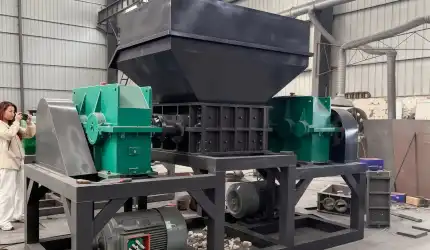
Heavy-Duty Twin-Shaft Tyre Shredder Machine
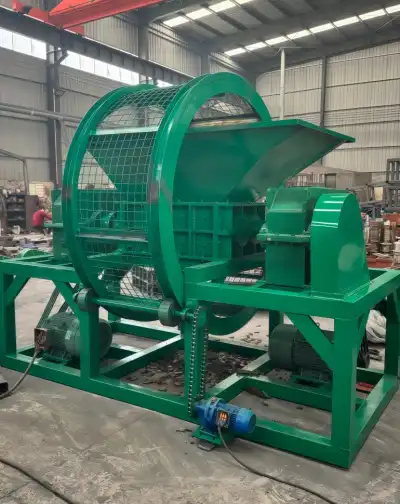
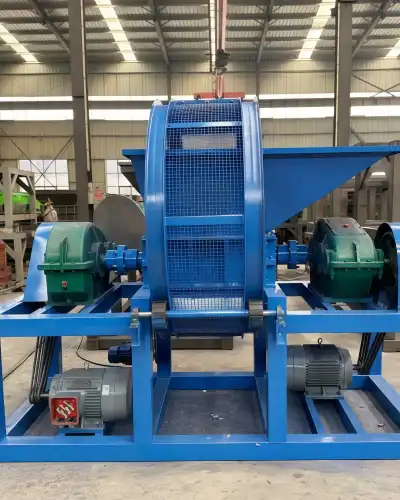
High-Torque Dual-Motor Drive Designed for Severe Size Reduction
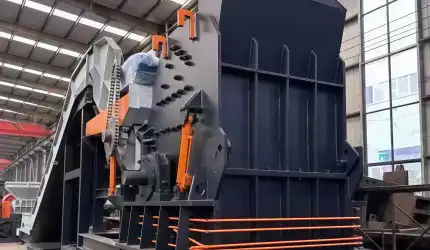
The Dingjoin double-shaft tyre shredder machine serves as the powerhouse for our complete recycling plants. Specifically engineered to handle whole passenger tyres, heavy truck radials, and tough OTR steel-belted tyres, this heavy-duty shredder reduces whole tires into uniform pieces with minimal noise and dust. Built with premium components and an ultra-robust chassis, it provides stable operations and a long service life for continuous 24/7 recycling businesses.
- Input: Passenger car tyres, heavy truck radials, and giant steel-belted OTR tyres (Diameter from 400mm to 3000mm).
- Output: Uniform 50–100mm rubber blocks (Ideal for TDF or further granulation).
Dingjoin Shredding Production Line Solutions
Primary Shredding for Tyre-Derived Fuel (TDF)
Engineered to cut whole waste tires into uniform-dimension tire blocks (50–100mm). This high-capacity tyre recycling plant configuration utilizes our heavy-duty double shaft shredder to achieve rapid size reduction with high throughput. It is the most economical solution for producing TDF (Tyre-Derived Fuel) used in cement kilns, steel mills, and power plants to replace traditional coal.
- Output Product: 50–100mm Tyre Blocks (TDF)
Mid-Stage Processing with High-Purity Steel Separation
Designed to cut whole waste tires into finer granules (1–5mm) while separating steel wires and textile fibers. This continuous waste tyre recycling plant integrates our Tire Shredder, Tire Rasper, and Granulator. Equipped with advanced magnetic and air-flow separators, it achieves up to 99.99% steel wire purity, making the output highly suitable for athletic runways, playground turf, and rubber tiles.
- Output Product: 1–5mm Rubber Granules & Clean Steel Wire
Advanced Ambient Milling for High-Value Rubber Powder
Designed to process whole waste tires into fine rubber powder (5–100 mesh) with comprehensive steel wire and nylon fiber separation. By adding the specialized Dingjoin Miller to the granulator stage, this advanced tyre recycling plant grinds rubber under ambient temperature with zero dust emissions. The output fine powder is widely used in high-profit fields such as modified asphalt for highways, waterproofing membranes, and reclaimed rubber production.
- Output Product: 5–100 Mesh Fine Rubber Powder
Economical Entry-Level Solution for Small Businesses
A cost-effective, entry-level tyre recycling plant layout that replaces the heavy automatic shredder with a sequence of specialized manual machines (Tire Ring Cutter, Strip Cutter, Block Cutter, and Steel Wire Extruder). This option allows startups to process whole tyres into manageable pieces with minimal initial investment and low power consumption.
- Output Product: Tyre Rings, Strips, Blocks & Extruded Steel Beading
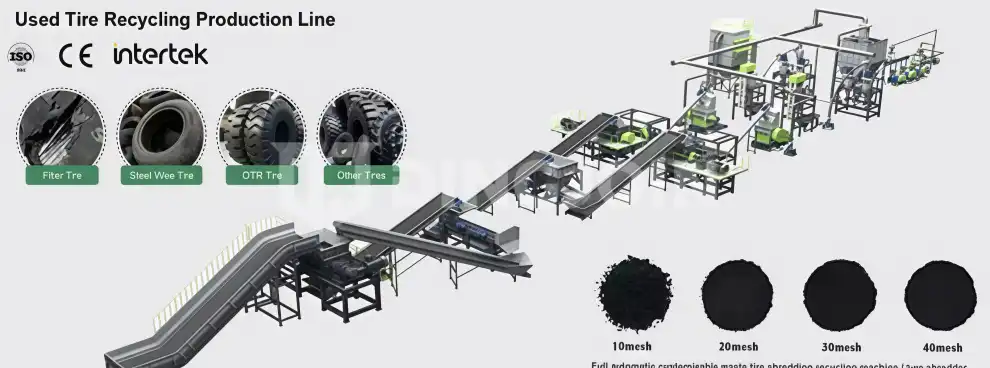
Raw Materials of Our Tyre Recycling Plant
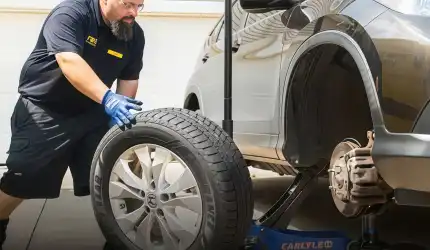
Passenger Car Tyres (PCR)
Steel-belted and fiber tires from passenger cars. Dingjoin systems process them easily without need for prior de-beading.
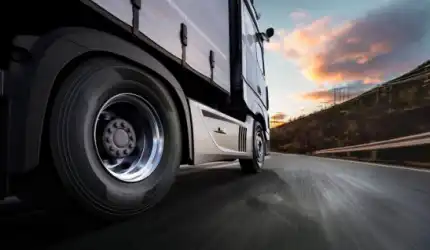
Truck & Bus Radial Tyres (TBR)
High-tensile steel belted tires. Excellent feedstock for extracting massive quantities of premium scrap steel wire.
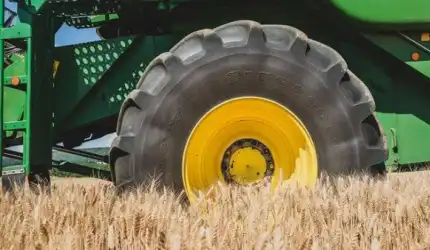
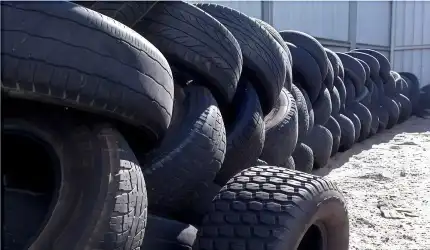
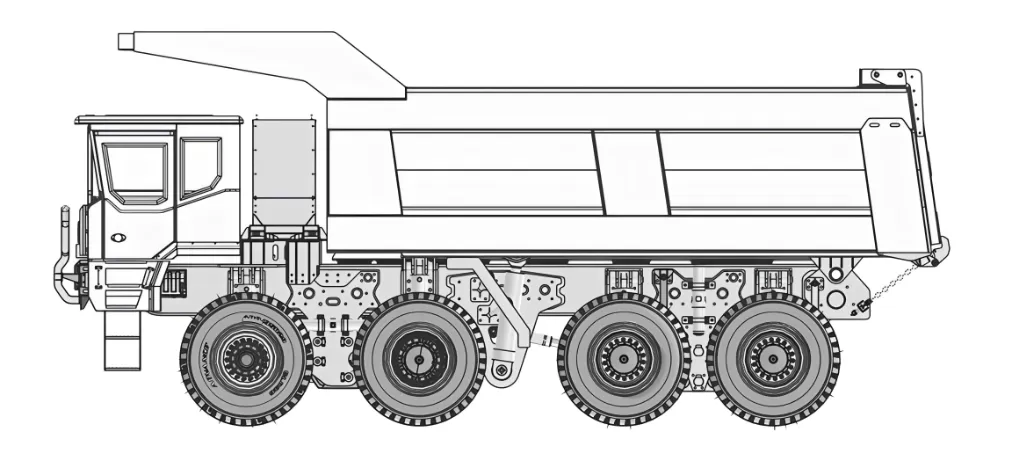
Giant OTR & Tractor Tyres (Ø400mm – Ø3000mm)
Heavy-duty tires up to 3 meters in diameter. Effortlessly pre-cut or shredded by Dingjoin’s high-torque shredding plants.
Scrap Rubber & Industrial Rubber Waste
Conveyor belts, shoe soles, rubber tubes, and other industrial rubber wastes can also be processed alongside tyres.
Specifications of Waste Tyre Recycling Plant
| Model | Capacity | Discharge size | Applicable range | Separation rate |
|---|---|---|---|---|
| 500 | 500KG/H | 5‑100 mesh | 400‑3000mm tires | 99.99% |
| 800 | 800KG/H | 5‑100 mesh | 400‑3000mm tires | 99.99% |
| 1000 | 1000KG/H | 5‑100 mesh | 400‑3000mm tires | 99.99% |
| 1500 | 1500KG/H | 5‑100 mesh | 400‑3000mm tires | 99.99% |
| 2000 | 2000KG/H | 5‑100 mesh | 400‑3000mm tires | 99.99% |
Dingjoin Waste Tyre Recycling Plant Prices & ROI Analysis
Factory-Direct Pricing Structure
Why pay exorbitant markups to local dealers or trading companies? Dingjoin offers a Factory-Direct solution that saves you up to 30% on your initial equipment investment.
Why pay exorbitant markups to local dealers or trading companies? Dingjoin offers a Factory-Direct solution that saves you up to 30% on your initial equipment investment.
- Fully Automatic Plant Series: Higher initial investment but delivers the highest daily output with minimal labor. The best value for large-scale recyclers targeting high-profit fine rubber powder (5–100 mesh) and pure steel wire.
- Semi-Automatic Cutting Series: Lower purchase price and extremely low power consumption. Perfect for startups and budget-conscious yards looking to enter the recycling business by producing TDF (Tyre-Derived Fuel) blocks.
ROI Breakdown: The “Recycling Profit Formula”
A Dingjoin Tyre Recycling Plant isn’t just an expense; it’s a cash-generating asset engineered to pay for itself within 6 to 10 months. Here is the math based on a typical mid-sized tire recycling yard:
A. Slash Labor & Operational Costs by 70%
Traditional tire processing or low-end machinery requires multiple workers for manual tire debeading, moving, and cutting—which is slow, hazardous, and expensive in daily wages.
- Traditional Method: 5–8 manual workers operating individual cutting machines.
- Dingjoin Method: Fully automated continuous line requires a Maximum of 2 Operators in total.
- Savings: You save 3–6 daily wages and drastically reduce workplace injury liabilities.
B. Maximize Output Purity & Material Value
Buyers of recycled rubber (like asphalt plants or runway contractors) heavily penalize or reject rubber that contains steel wire or nylon fuzz.
- Result: Dingjoin’s advanced magnetic and air-flow separation achieves up to 99.99% purity. You can sell your ultra-clean 5–100 mesh rubber powder at a premium market price, while your highly pure extracted steel wire becomes a lucrative secondary revenue stream.
Cost Comparison Table
Project Scenario: Processing 1,000 Tons of Scrap Metal per Month
| Cost Factor | Traditional / Low‑End Method | Dingjoin Automated Plant | Your Advantage (Profit) |
|---|---|---|---|
| Labor Needed | 5‑8 Workers (High wage & safety risks) | Max 2 Operators (Smart PLC control) | Save thousands of dollars in wages every single month. |
| Output Purity | Low (Rubber mixed with wire & nylon fiber) | 99.99% Pure (Advanced multi‑stage separation) | Buyers pay a top‑tier premium for 100% clean rubber materials. |
| Revenue Streams | Standard rate for cheap TDF or mixed scrap | Premium rate for 5‑100 mesh powder + Pure Scrap Steel | Double your profit margin on every single ton processed. |
Dingjoin Shredder Machine Applications
🛣️ For Highway Construction & Asphalt Refineries
The ultimate high-margin market for recycled tires. Adding fine rubber powder (30–100 mesh) into asphalt significantly improves road durability, reduces driving noise, and prevents thermal cracking. Dingjoin’s ambient milling technology ensures the rubber powder retains its crucial physical properties without burning. This makes your output the top-tier choice for government highway projects and commercial asphalt producers.
🏃♂️ For Sports Field & Playground Contractors
A rapidly growing global market with massive demand. Dingjoin’s granulators produce perfectly sized 1–5mm wire-free rubber crumbs. Because our magnetic and air-flow separation systems guarantee up to 99.99% purity, your rubber granules will easily pass strict international safety standards. They are heavily purchased by contractors for athletic running tracks, artificial turf infill, and kindergarten safety flooring.
🏭 For Cement Kilns, Steel Mills & Power Plants
The fastest way to process massive volumes of scrap tires with rapid cash flow. Dingjoin heavy-duty shredders efficiently cut massive tires into uniform 50–100mm rubber blocks. These blocks, known as Tyre-Derived Fuel (TDF), hold a higher heating value than coal, burn cleaner, and are purchased in massive bulk quantities by energy-intensive industries looking to lower their fuel costs and carbon footprint.
♻️ For Rubber Factories & Manufacturing
Turn waste back into everyday profitable commodities. The 5–100 mesh ultra-clean rubber powder produced by Dingjoin plants can be devulcanized to create reclaimed rubber, or molded directly into high-demand products like rubber floor mats, shoe soles, conveyor belts, and automotive parts. This creates a perfect circular economy with extremely stable buyer demand year-round.
🧱 For Precast & Concrete Supply
Perfect for precast yards or starting a micro-batching business. Unlike stationary plants that require high setup costs and land, our mobile unit offers precision weighing for specialized mix recipes (dry-mix or wet). It allows you to produce high-quality concrete blocks, pipes, or barriers on-demand, scaling your production volume without the heavy capital expenditure.
How Our Waste Tyre Recycling Plant Works: 4-Step Process Flow
The Dingjoin tyre recycling plant is based on an advanced ambient physical crushing and separation system. Requiring a maximum of only 2 operators, the entire fully-automatic process consumes no heat, uses no chemicals, and produces zero dust or harmful gases. It is a 100% green, eco-friendly, and highly profitable recycling solution.
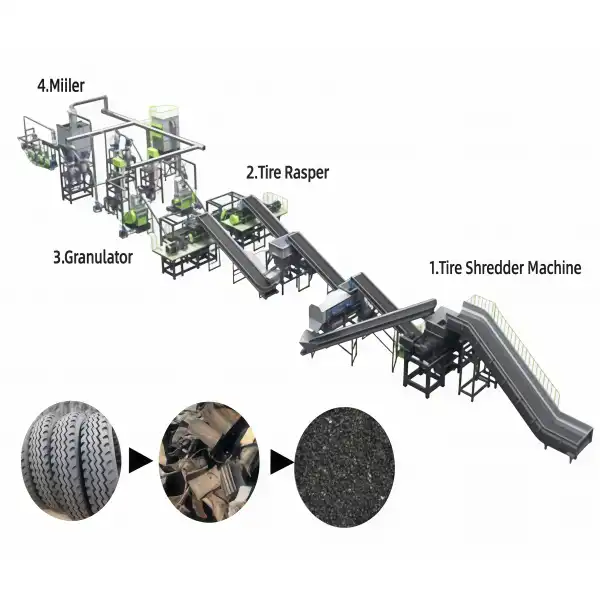
1. Primary Shredding
- Machine Name: Dingjoin Tire Shredder Machine
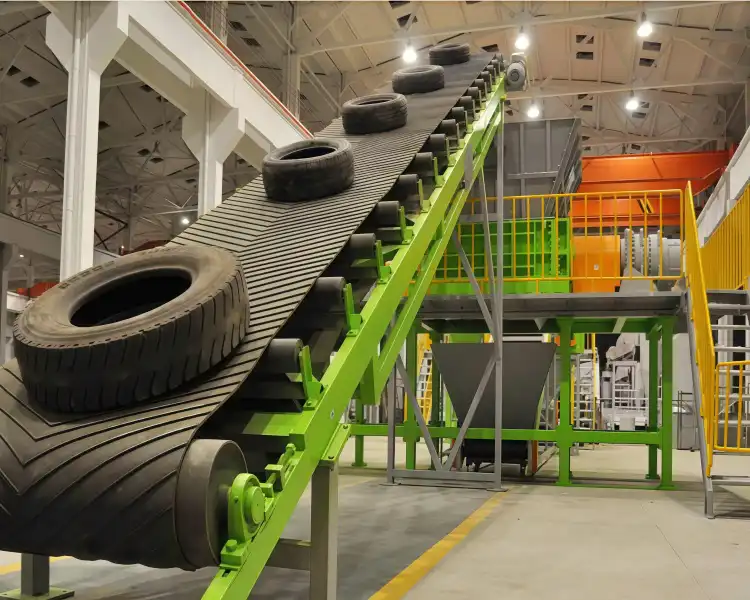
- Process Detail: Whole waste tires (ranging from 400mm up to giant 3000mm OTR tires) are fed into the heavy-duty twin-shaft shredder via a conveyor. The high-torque alloy blades shear the massive tires into uniform 50–100mm rubber blocks in seconds.
- Key Output at this Stage: 50–100mm Tyre Blocks (TDF)
2. Secondary Crushing & Steel Separation
- Machine Name: Dingjoin Tire Rasper
- Process Detail: The rubber blocks are conveyed into the Rasper, which further reduces them down to 10–20mm rubber mulch. During this rigorous cutting process, the thick steel bead wires are completely stripped from the rubber and extracted by our high-strength magnetic separator, achieving an initial steel purity of up to 99.99%.
- Key Output at this Stage: 10–20mm Wire-Free Rubber Mulch & Clean Steel Wire
3. Granulation & Fiber Removal
- Machine Name: Dingjoin Granulator
- Process Detail: The wire-free rubber mulch enters the high-speed granulator, where it is precisely cut into fine 1–5mm rubber granules. Simultaneously, the zig-zag air classifier system activates, completely vacuuming out the nylon and textile fibers mixed within the rubber.
- Key Output at this Stage: 1–5mm High-Purity Rubber Granules & Separated Nylon Fluff
4. Ultra-Fine Grinding
- Machine Name: Dingjoin Rubber Miller
- Process Detail: For clients requiring high-value end products, the clean granules are sent to the Miller. Operating under a specialized ambient temperature cooling system to prevent rubber degradation, it grinds the granules into a premium 5–100 mesh ultra-fine rubber powder, while a pulse dust collector ensures zero dust emissions in the workshop.
- Key Output at this Stage: 5–100 Mesh Ultra-Fine Rubber Powder
Why Dingjoin Waste Tyre Recycling Plants Outperform the Competition
1. 99.99% Ultimate Separation Purity
The biggest challenge in tyre recycling is cleanly separating rubber, thick steel wire, and nylon fiber. Cheap lines leave fibers and steel fragments in the rubber, drastically lowering its market value. Dingjoin employs a highly advanced multi-stage magnetic and zig-zag air classification system. We guarantee up to 99.99% pure rubber output, allowing you to sell both your rubber and extracted steel at premium top-tier prices.
2. Process Anything: From Car Tyres to Ø3000mm Giant OTRs
Most standard tyre plants on the market can only handle standard passenger and truck tyres. The Dingjoin heavy-duty system is engineered with immense torque and oversized cutting chambers, allowing you to easily process massive, steel-belted agricultural and OTR (Off-The-Road) tyres up to 3000mm in diameter without pre-cutting. This massively expands your raw material sourcing capabilities.
3. 100% Ambient Physical Processing
Unlike pyrolysis (which burns tyres to extract oil) or chemical treatments that produce toxic fumes and require strict government permits, the Dingjoin plant relies purely on ambient mechanical size reduction. The entire process requires no melting, no heat, and no chemicals. It preserves the original elastic properties of the rubber while making environmental compliance and factory approvals effortless.
4. Zero Dust Emissions & Safe Working Environment
Grinding tyres into fine powder usually creates a hazardous, dust-filled workshop. Dingjoin solves this by integrating a high-efficiency pulse dust collection system throughout the entire Granulator and Miller stages. This guarantees zero dust and no harmful gases in your facility, protecting worker health and eliminating the risk of dust explosions.
5. Direct Production of High-Value 5–100 Mesh Powder
Many competitors’ lines stop at producing 1-5mm rubber granules. Dingjoin takes your profitability a step further by integrating our specialized Rubber Miller into the continuous line. You can effortlessly grind granules down to 5–100 mesh ultra-fine powder in one go. This unlocks highly lucrative downstream markets like modified asphalt, waterproofing membranes, and advanced rubber manufacturing.
Dingjoin vs. Generic Brands
| Feature | Dingjoin Heavy‑Duty Tyre Shredder | Generic / Cheap Brands |
|---|---|---|
| Blades Material | Forged Alloy Steel (D2 / H13)(Easily cuts thick steel‑belted tyres) | Standard Casting Steel(Chips and breaks easily on steel bead wires) |
| Control System | Smart PLC Auto‑Reverse(Automatically clears jams without manual labor) | Manual Reset / Basic Relays(Prone to jamming and frequent motor burnouts) |
| Main Chamber | CNC Machined, Extra Thick Plate(Zero vibration, built for continuous 24/7 loads) | Thin Welded Plates(Vibrates heavily and deforms easily under high torque) |
| Bearing Design | External Mount + Multi‑Sealed(100% protected from fine rubber powder & carbon black) | Internal Mount(Fails frequently due to fine rubber dust penetration) |
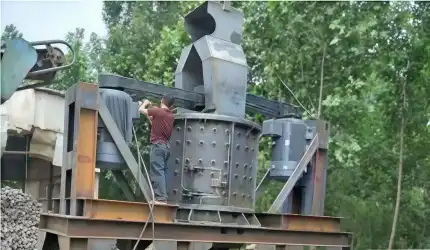
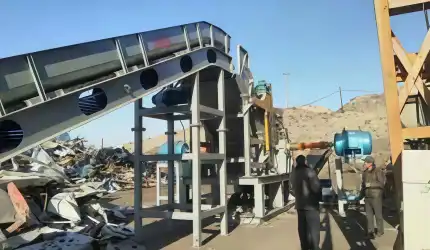
Global Cases of Dingjoin Shredder Machine