Betonpumpe zum Verkauf
“Pumpen Sie weiter, gießen Sie schneller. Zuverlässige Lösungen für jede Baustelle.“
Vertraut von Bauunternehmern für Tunnel-, Brücken-, Hochhaus- und Wasserkraftprojekte.
- Hydraulik: Hauptölpumpe von Kawasaki / Rexroth gewährleistet einen stabilen Druck.
- Langlebigkeit: Verschleißfeste Augenplatten- und Schneidringausführung (Lebensdauer > 30.000 m³).
- Steuerung: Intelligente SPS-Steuerung mit kabelloser Fernbedienung inklusive.
Betonpumpen
Beschleunigen Sie Ihre Betonverlegung mit unserer hochdruckfesten stationären und mobilen Betonpumpe. Konstruiert mit fortschrittlicher S-Ventil-Technologie, gewährleistet sie einen gleichmäßigen Fluss und verhindert Rohrverstopfungen selbst bei anspruchsvollen Betonmischungen. Das robuste Hydrauliksystem, angetrieben von hochwertigen Dieselmotoren (Weichai/Cummins) oder Elektromotoren, liefert konstanten Druck für ein kontinuierliches Gießen. Ideal für Pumpprojekte über große Entfernungen und in großer Höhe, bei denen Zuverlässigkeit unverzichtbar ist.
Produktivität:
Antriebssystem
Pumpentfernung
Hydrauliksystem
30 m³ – 120 m³/h
Dieselmotor / Elektromotor
Vertikal 200 m / Horizontal 800 m
Offener Kreislauf mit anti-blockierendem S-Ventil
Anwendungen verwenden:
Hochhausbau / Tunnelbau über große Entfernungen / Brücken- und Straßenbau / Wasserwirtschaft und Wasserkraft / ländliche Wohnbebauung und zivile Infrastruktur.
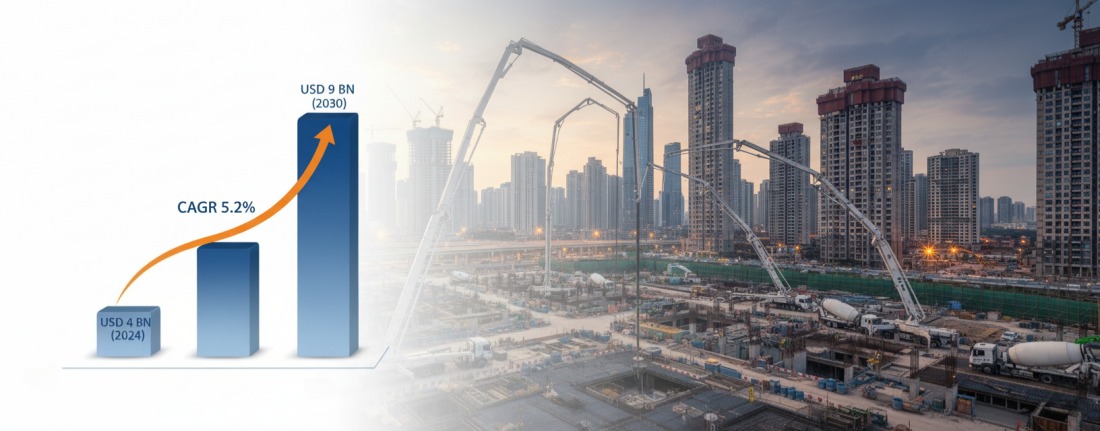
Globale Marktprognose: Betonpumpen (2026–2030)
Der globale Markt für Betonpumpen wird voraussichtlich bis zum Ende des Jahrzehnts ein kräftiges Wachstum aufrechterhalten. Mit einem Wert von rund USD 4,8 Milliarden im Jahr 2024 soll der Markt bis 2030 auf USD 6,9 Milliarden anwachsen und dabei während des Prognosezeitraums eine durchschnittliche jährliche Wachstumsrate (CAGR) von 5,2% verzeichnen.
Dieses Wachstum wird vor allem durch die rasche Urbanisierung und umfangreiche Infrastrukturinvestitionen in Schwellenländern getrieben. Die Region Asien-Pazifik behält weiterhin die Marktführerschaft und hält nahezu 45% des weltweiten Marktanteils, angetrieben durch massive Bauprojekte in China, Indien und Südostasien. Insbesondere steigt die Nachfrage nach Hochdruck-Anhängerpumpen in Entwicklungsländern für ländliche Infrastruktur- und bezahlbare Wohnbauprojekte.
Technologisch gesehen vollzieht die Branche einen Wandel hin zu Nachhaltigkeit und Automatisierung. Ein wachsender Trend geht hin zu elektrischen und hybriden Betonpumpen, um strengeren Emissionsvorschriften in Europa und Nordamerika zu entsprechen. Zudem treibt die Ausweitung des Gerätevermietmarktes die Nachfrage nach langlebigen, wartungsarmen stationären Pumpen voran. Für Hersteller und Bauunternehmer stellt der Zeitraum 2026–2030 ein entscheidendes Fenster dar, um sowohl die steigende Nachfrage nach Hochhausfähigkeit in Megastädten als auch nach vielseitiger Mobilität in Entwicklungsregionen zu nutzen.
Wichtige Typen zum Verkauf
Ideal für Hochhäuser, Brücken, Tunnelbau über große Entfernungen und schweres Infrastrukturprojekte.
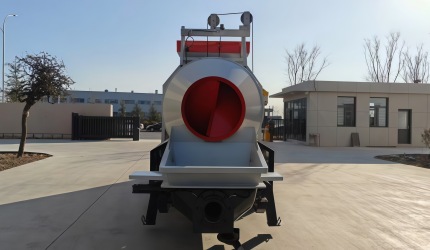
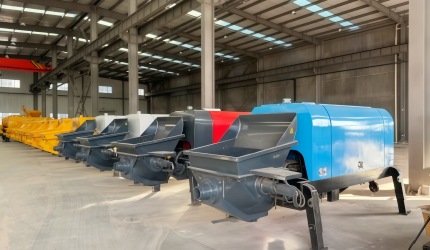
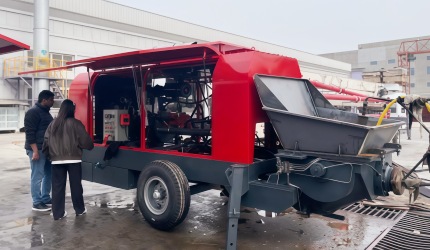
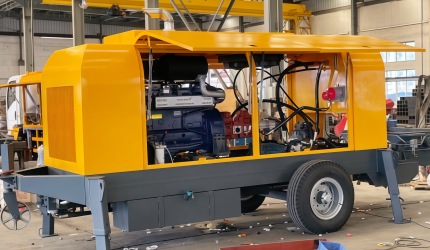
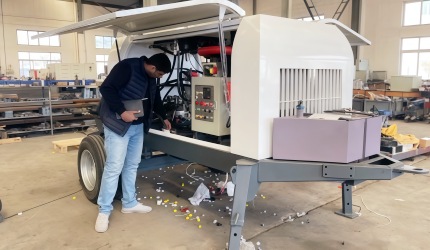
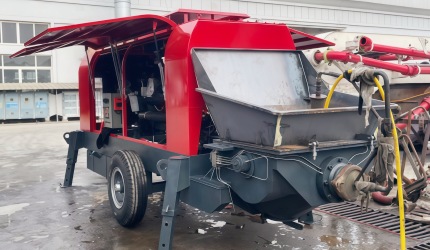
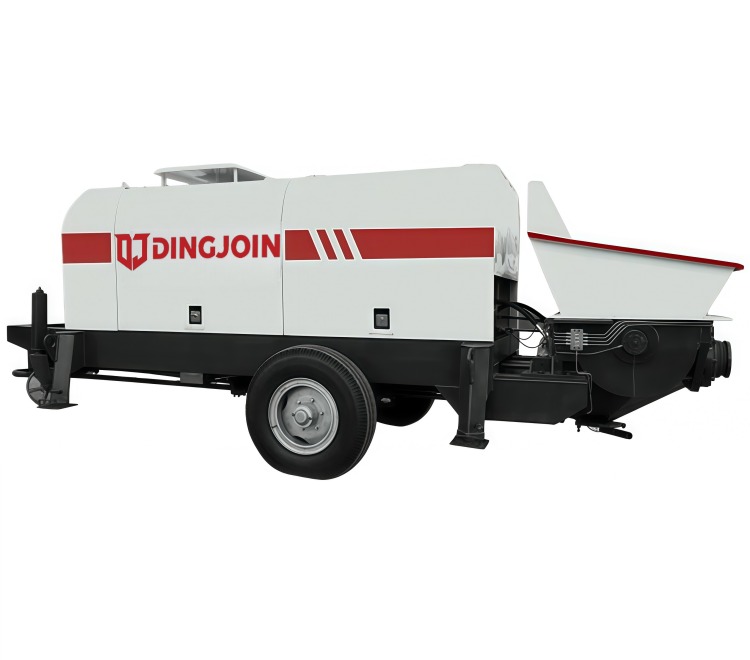
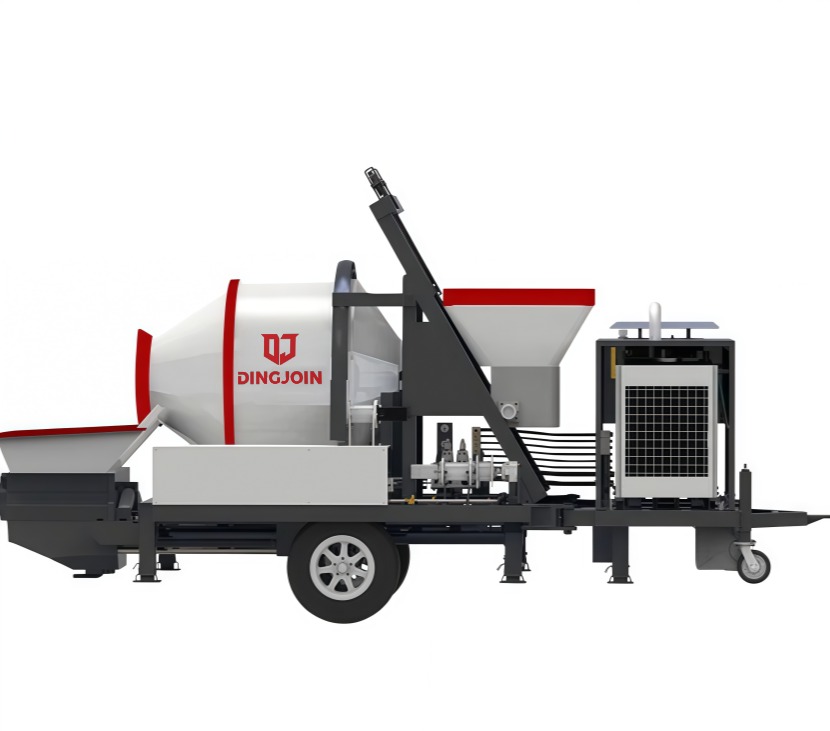
Beton-Anhängerpumpe
Modelle: HBTS30 / HBTS40 / HBTS50 / HBTS60 / HBTS80 / HBTS90 / HBTS100
Wichtigste Merkmale:
Kapazität: 40 – 90 m³/h
Pumpentfernung: Vertikal 200 m / Horizontal 800 m
Der Arbeitstier der Baustelle. Erhältlich sowohl mit Dieselantrieb (Weichai/Cummins) als auch mit Elektroantrieb. Ausgestattet mit einem fortschrittlichen S-Ventil-System und verschleißfesten Komponenten gewährleistet er ein kontinuierliches Hochdruckpumpen mit minimalem Risiko von Verstopfungen. Ideal für Projekte, bei denen die Pumpe über längere Zeit stationär bleibt, um Beton in extreme Höhen oder über große Entfernungen zu fördern.
Ideal für ländliche Wohnbebauung, kleinere Gewerbebauten sowie Projekte mit begrenztem Personal oder Stromversorgung.
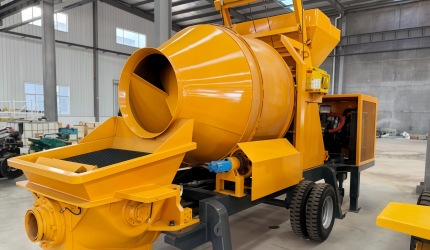
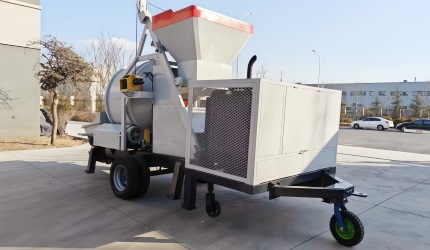
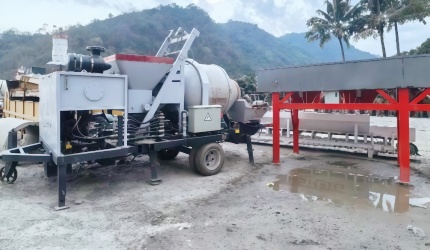
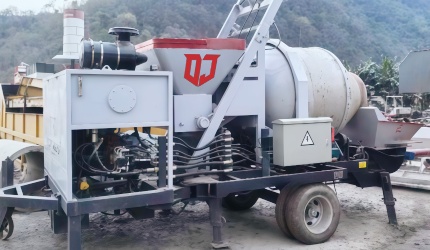
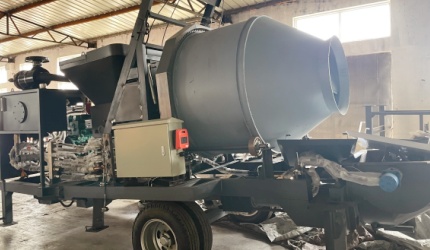
Betonmischer-Pumpe
Modelle: JBS-30 / JBS-40 / JBS-50
Wichtigste Merkmale:
Kapazität: 30 – 40 m³/h
Funktion: Mischen + Pumpen (2-in-1)
Konzipiert für maximale Effizienz und Kosteneinsparung. Diese Maschine kombiniert einen Trommelmischer und einen Betonpumpe in eine einzige, ziehbare Einheit. Sie ermöglicht das Mischen von Gesteinskörnungen direkt vor Ort und das sofortige Pumpen, wodurch die Arbeitskosten um bis zu 50% gesenkt werden. Hochgradig mobil und einfach zu bedienen – die perfekte Wahl für selbstgebaute Wohnhäuser und Straßenreparaturen.
Ideal für Großfundamente, Wolkenkratzer und Baustellen, die ein schnelles, flexibles Einbringen erfordern.
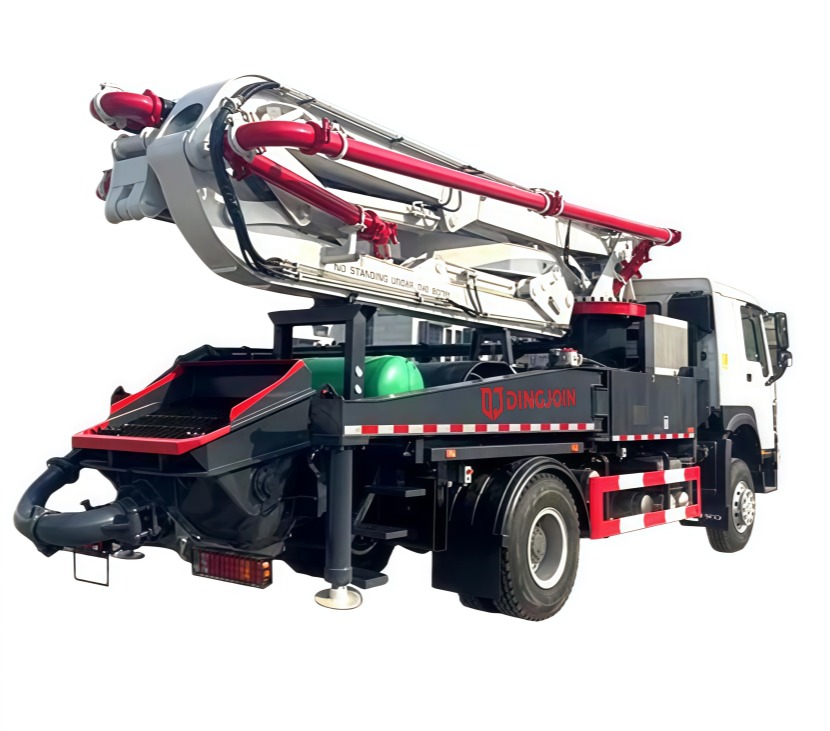
Beton-Auslegerpumpenfahrzeug
Modelle: 14 m / 20 m / 30 m / 37 m / 44 m / 47 m / 52 m / 58 m / 62 m
Wichtigste Merkmale:
Vertikale Reichweite: 30 m – 62 m
Fahrgestell: FAW / Dongfeng / Isuzu / Howo
Die ultimative Lösung für Geschwindigkeit und Präzision. Montiert auf einem schwerlastfähigen Lkw-Fahrgestell, kann der mehrteilige, klappbare Ausleger (Z-Faltung oder R-Faltung) Hindernisse überbrücken, um Beton exakt dort einzubringen, wo er benötigt wird. Vollautomatisch mit Fernbedienungsbetrieb bietet er hohe Mobilität, um noch am selben Tag zwischen verschiedenen Baustellen zu wechseln.

Ideal für städtische Bauvorhaben, enge Straßen und mehrere kleine Baustellen, bei denen hohe Mobilität erforderlich ist.
Lkw-Montierte Leitungspumpe
Modelle: HBT30 / HBT40 / HBT50
Wichtigste Merkmale:
Kapazität: 40 – 80 m³/h
Mobilität Hochgeschwindigkeits-Lkw-Fahrgestell (ohne Ausleger)
Kombiniert den hohen Druck einer Anhängerpumpe mit der Mobilität eines Lkws. Im Gegensatz zu einer Auslegerpumpe erfolgt die Förderung über Rohrleitungen und macht sie dadurch deutlich kostengünstiger und kompakter. Zum Transport ist kein Kran erforderlich; das Fahrzeug fährt direkt zur Baustelle, schließt die Rohre an und beginnt unverzüglich mit dem Pumpen. Perfekt für städtische Projekte, bei denen aufgrund von Platzbeschränkungen kein großer Ausleger aufgestellt werden kann.
Technische Daten von Betonpumpen
Technische Daten von Diesel-Beton-Anhängerpumpen
| Modell | HBTSB40-10-82R | HBTSB60-13-129R | HBT80-16-129C | HBT90C-18-176R | |
| Maximaler Betonausstoß (L./H) | M3/h | 40/26 | 67/45 | 84/50 | 95/55 |
| Max.Betonpumpendruck(H./L.) | MPa | 10/7.6 | 7-13 | 16/8.6 | 18/9.3 |
| Typ des Verteilerventils | S Ventil | S Ventil | S Ventil | S Ventil | |
| Durchmesser × Hub des Betonzylinders | mm | Φ180×1200 | Φ200×1650 | Φ200×1800 | Φ200×1800 |
| Kapazität des Auffangbehälters × Füllhöhe | L/mm | 400/1100 | 800/1400 | 680×1400 | 800×1400 |
| Auslassdurchmesser | mm | Φ150 | Φ180 | Φ180 | Φ180 |
| Modell eines Dieselmotors | Weifang Delier 6105ZB | Wechai | Weichai | Weichai | |
| Elektrotechnische Leistung | KW | 82 | 129 | 129 | 176 |
| Rotationsgeschwindigkeit | U/min | 2100 | 2200 | 2200 | 2200 |
| Schaltungstyp | Offener Stromkreis | Offener Stromkreis | Offener Stromkreis | Offene Schaltung | |
| Druck des Pumpensystems | MPa | 32 | 32 | 32 | 32 |
| Druck im Mischsystem | MPa | 6-8 | 6-8 | 8 | 8 |
| Fassungsvermögen des Öltanks | L | 370 | 370 | 580 | 580 |
| Max. theoretische vertikale/horizontale Förderstrecke | m | 120/500 | 120/500 | 120/500 | 120/500 |
| Max. Durchmesser des Aggregats | mm | Glatt/Geröll:40/50 | Glatt/Geröll:40/50 | Glatt/Geröll:40/50 | Glatt/Geröll:40/50 |
| Innendurchmesser des Förderrohrs | mm | Φ125 | Φ125 | Φ125 | Φ125 |
| Abmessungen: Länge × Breite × Höhe | mm | 5000x1850x1700 | 5800x2000x1750 | 6000x2200x2250 | 6000x2200x2250 |
Technische Daten von elektrischen Beton-Anhängerpumpen
| Artikel | HBTS30 | HBTS40 | HBTS50 | HBTS60 | HBTS80 |
| Max. theoretische Förderleistung (m³/h) | 30 | 40 | 50 | 60 | 88 |
| Max. Pumpdruck (MPa) | 10 | 10 | 10 | 13 | 16 |
| Max. theoretische vertikale Förderstrecke (m) | 140 | 200 | 120 | 280 | 300 |
| Max. theoretische horizontale Förderstrecke (m) | 450 | 800 | 500 | 1000 | 1200 |
| Max. Korngröße (mm) | 30 | 40 | 50 | 30 | 30 |
| Förderrohrkrümmungsradius (mm) | 100 | 160 | 160 | 180 | 180 |
| Anzahl der Förderzylinder (Stück) | 2 | 2 | 2 | 2 | 2 |
| Bohrung × Hub des Förderzylinders (mm) | Φ140×1000 | Φ160×1000 | Φ200×1000 | Φ200×1600 | Φ200×1800 |
| Hydraulikölbehältervolumen (L) | 250 | 400 | 500 | 600 | 800 |
| Auffangbehälterkapazität (m³) | 0.35 | 0.4 | 0.5 | 0.6 | 0.8 |
| Leistung des Hauptelektromotors (kW) | 45 | 45 | 55 | 90 | 110 |
Spezifikationen der dieselgetriebenen Betonmischerpumpe
| Artikel | Diesel Typ JBS30-10-52R | Diesel Typ JBS40-10-82R | Diesel Typ JBS50-10-92R | |
| Maximaler Betonausstoß (L./H) | M3/h | 30 | 40 | 50 |
| Nennförderleistung des Mischers | m3 | 0.56 | 0.56 | 0.56 |
| Nennförderleistung des Mischers | m3 | 0.45 | 0.45 | 0.45 |
| Max.Betonpumpendruck(H./L.) | MPa | 6 | 10 | 10 |
| Typ des Verteilerventils | S Ventil | S Ventil | S Ventil | |
| Durchmesser × Hub des Betonzylinders | mm | Φ180*500 | Φ180*800 | Φ180*1000 |
| Modell eines Dieselmotors | Yuchai/Weichai | Weichai Deutz WP4G110E220 | Yuchai 92KW | |
| Dieselkraftwerk | KW | 52 | 82 | 92 |
| Schaltungstyp | Offener Stromkreis | Offener Stromkreis | Offener Stromkreis | |
| Max. theoretischer vertikaler/horizontaler Förderabstand | m | 100/300 | 100/400 | 100/450 |
| Max. Durchmesser des Aggregats | mm | Glatt/Geröll:20~40 | Glatt/Geröll:40/50 | Glatt/Geröll:40/50 |
Technische Daten von Beton-Auslegerpumpen
| Modell | BTB40R-14 |
| Max. theoretische Betonleistung (m³/h) | 40 |
| Max. Betonpumpdruck (MPa) | 10 |
| Typ des Verteilerventils | S Ventil |
| Betonzylinderdurchmesser × Hub (mm) | Ф180×1300 |
| Trichtervolumen (L) | 500 |
| Austrittsdurchmesser (mm) | Ф150 |
| Vertikale Höhe des Auslegers (m) | 15.4 |
| Radius für Betoneinbringung (m) | 13–16 |
| Länge des großen Arms (m) | 6.5 |
| Großer Arm-Elevationswinkel (°) | 90 |
| Kleiner Arm-Länge (m) | 6.5 |
| Kleiner Arm-Elevationswinkel (°) | 235 |
| Betonrohr (m) | 125*3 |
| Turmdrehwinkel (°) | 200 |
| Beinöffnungsbreite (m) | 5.5 |
| Verteilerstab-Richtungssteuerung | Manuell |
| Dieselmotor-Modell () | Weichai WP4G110E220 |
| Motorleistung (kW) | 82 |
| Drehzahl (U/min) | 2200 |
| Fahrmotor mit Dieselantrieb | 32 PS |
| Reifen | 4*8.25*16 |
| Max. Zuschlagdurchmesser (mm) | 30 |
| Innendurchmesser des Förderrohrs (mm) | Ø100 |
| Abmessungen: Länge × Breite × Höhe (mm) | 7500x2200x2920 |
Technische Daten der dieselbetriebenen, fahrzeugmontierten Betonpumpe
| Artikel | Modell | HBT6006A-5D | HBT6013C-5D | HBT6016C-5D | HBT8018C-5D | HBT12020C-5D |
| Abmessungen (L × B × H) | mm | 6787*2099*2628 | 6695*2068*2068 | 6736*2125*2628 | 7161*2125*2628 | 7413*2125*2900 |
| Füllhöhe | mm | 1415 | 1320 | 1420 | 1420 | 1420 |
| Gesamtgewicht | kg | 6300 | 6100 | 6600 | 7300 | 9100 |
| Max. Förderdruck | MPa | 7 | 8/13 | 10/16 | 10/18 | 13/21 |
| Max. Leistung | m³/h | 70 | 65/40 | 75/45 | 85/50 | 120/75 |
| Förderzylinder (Bohrung/Hub) | mm | 200/1400 | 200/1400 | 200/1800 | 200/1800 | 200/2100 |
| Motorleistung | KW | 115 | 115 | 186 | 186 | 273 |
| Trichtervolumen | m3 | 0.6 | 0.7 | 0.7 | 0.7 | 0.7 |
Technische Daten der elektrisch betriebenen, fahrzeugmontierten Betonpumpe
| Artikel | Modell | HBT6006A-5 | HBT6013C-5 | HBT6016C-5 | HBT8022C-5 |
| Abmessungen (L × B × H) | mm | 6587 *2099 *2232 | 6095*2100 *2232 | 6495*2100* 2232 | 7215*2125*2540 |
| Füllhöhe | mm | 1415 | 1320 | 1320 | 1420 |
| Gesamtgewicht | kg | 6100 | 6130 | 6600 | 10520 |
| Max. Förderdruck | MPa | 7 | 8/13 | 10/16 | 14/22 |
| Max. Leistung | m³/h | 70 | 65/40 | 70/45 | 85/50 |
| Förderzylinder (Bohrung/Hub) | mm | 200/1400 | 200/1400 | 200/1800 | 200/2100 |
| Motorleistung | KW | 75 | 90 | 110 | 2*110 |
| Trichtervolumen | m3 | 0.6 | 0.7 | 0.7 | 0.7 |
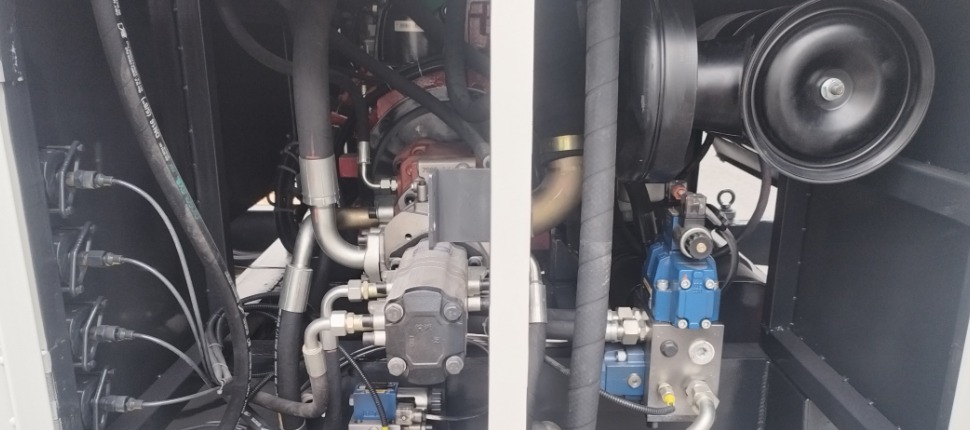
Weltklasse-Hauptölpressen für stabilen Druck.
Zuverlässigkeit beginnt bei der Hydraulik. Wir verwenden originale Kawasaki (Japan) oder Rexroth (Deutschland) Hauptölpressen, um eine konstant hohe Druckleistung sicherzustellen. Das fortschrittliche offene Hydrauliksystem ermöglicht schnellere Richtungsumschaltung und niedrigere Ölttemperaturen und gewährleistet einen kontinuierlichen Betrieb selbst bei extremer Hitze ohne Überhitzung.
Gleichmäßiger Materialfluss und leckfreie Leistung.
Our pump features a heavy-duty S-Tube Valve designed for maximum efficiency. Equipped with a floating wear-ring mechanism, it automatically compensates for gaps to maintain a perfect seal. This design creates a smooth concrete flow path, significantly reducing pumping resistance and effectively preventing pipe blockage when handling harsh aggregates.
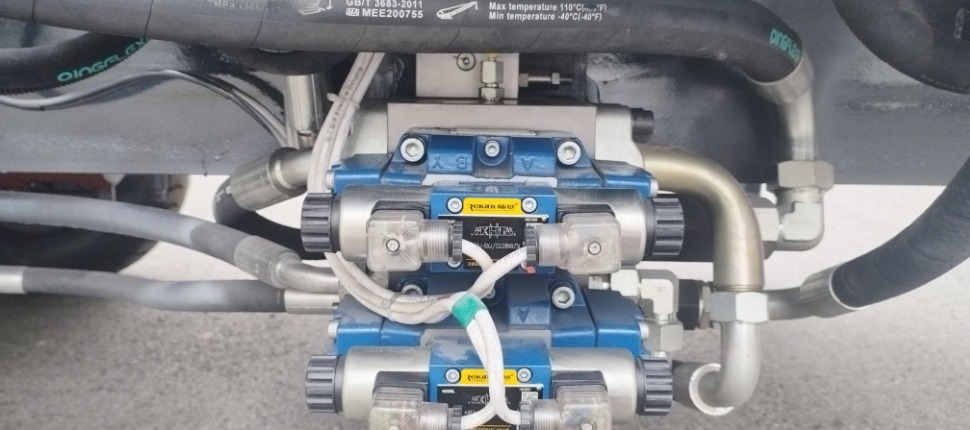
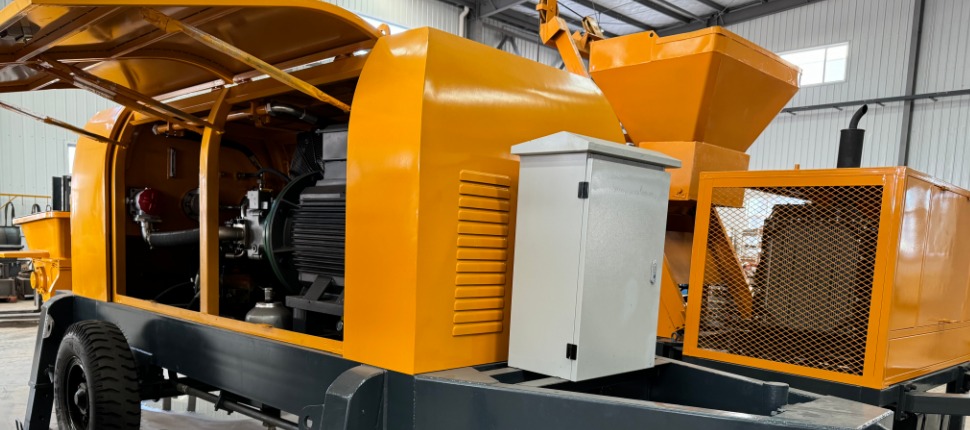
Cummins / Weichai Engines for 24/7 Operations.
Built for the toughest job sites. We partner with top-tier engine manufacturers like Cummins und Weichai. These engines deliver high torque at low RPMs, ensuring fuel efficiency and powerful pumping capability. With a global service network, finding spare parts and maintenance support is effortless, no matter where your project is located.
Wireless Remote Operation & Fault Diagnosis.
Take full command of your pump with our integrated PLC system (Omron/Siemens). It comes standard with a wireless remote controller, allowing operators to adjust pumping speed and direction from up to 100m away. The system also features a visual display for real-time monitoring and automatic fault detection, simplifying troubleshooting.
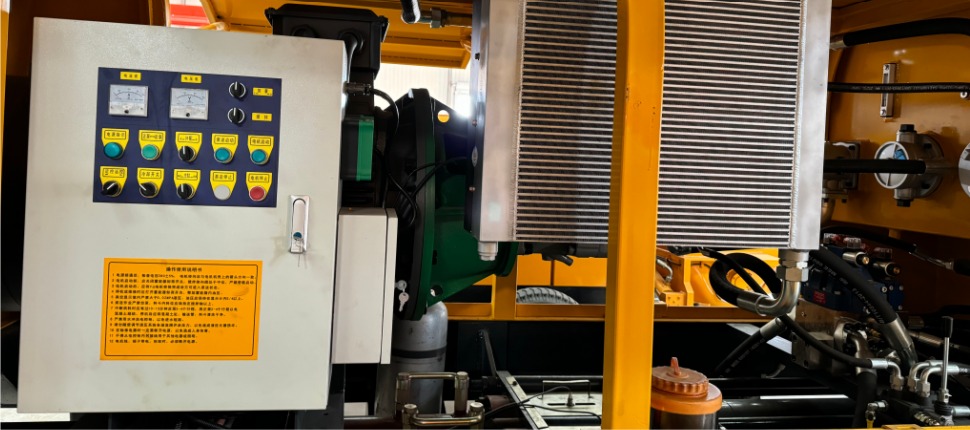
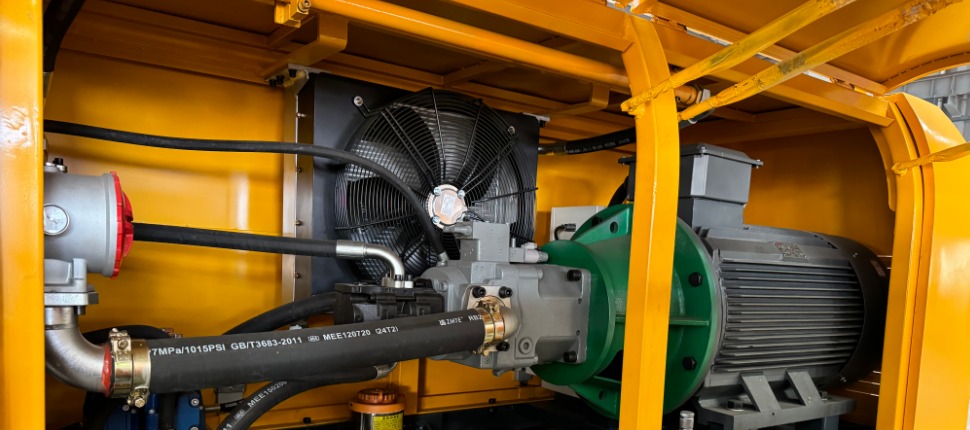
Dual-Cooling & Automatic Lubrication System.
To extend machine life, we employ a compulsory air-cooling system (or water-cooling) to keep hydraulic oil temperature below 60°C. Additionally, the centralized automatic lubrication system ensures that key moving parts (like the S-valve and mixing shaft) are constantly greased, preventing dry friction and reducing daily maintenance labor.
Features of Concrete Pumps
Kawasaki-Hydrauliksystem
Weltklasse-Hauptölpressen für stabilen Druck.
Zuverlässigkeit beginnt bei der Hydraulik. Wir verwenden originale Kawasaki (Japan) oder Rexroth (Deutschland) Hauptölpressen, um eine konstant hohe Druckleistung sicherzustellen. Das fortschrittliche offene Hydrauliksystem ermöglicht schnellere Richtungsumschaltung und niedrigere Ölttemperaturen und gewährleistet einen kontinuierlichen Betrieb selbst bei extremer Hitze ohne Überhitzung.
S-Ventil mit Anti-Blockierfunktion
Gleichmäßiger Materialfluss und leckfreie Leistung.
Our pump features a heavy-duty S-Tube Valve designed for maximum efficiency. Equipped with a floating wear-ring mechanism, it automatically compensates for gaps to maintain a perfect seal. This design creates a smooth concrete flow path, significantly reducing pumping resistance and effectively preventing pipe blockage when handling harsh aggregates.
Hochleistungs-Dieselantrieb
Cummins / Weichai Engines for 24/7 Operations.
Built for the toughest job sites. We partner with top-tier engine manufacturers like Cummins und Weichai. These engines deliver high torque at low RPMs, ensuring fuel efficiency and powerful pumping capability. With a global service network, finding spare parts and maintenance support is effortless, no matter where your project is located.
Intelligentes PLC-Steuerungssystem
Wireless Remote Operation & Fault Diagnosis.
Take full command of your pump with our integrated PLC system (Omron/Siemens). It comes standard with a wireless remote controller, allowing operators to adjust pumping speed and direction from up to 100m away. The system also features a visual display for real-time monitoring and automatic fault detection, simplifying troubleshooting.
Fortschrittliche Kühl- und Schmieranlage
Dual-Cooling & Automatic Lubrication System.
To extend machine life, we employ a compulsory air-cooling system (or water-cooling) to keep hydraulic oil temperature below 60°C. Additionally, the centralized automatic lubrication system ensures that key moving parts (like the S-valve and mixing shaft) are constantly greased, preventing dry friction and reducing daily maintenance labor.
Dingjoin Concrete Pumps Prices & ROI Analysis
Price Range Guide (Estimated Market Average)
Disclaimer: Prices vary based on engine brand, hydraulic configuration, and shipping costs.
Trailer Concrete Pumps
- Price Range: $20,000 – $55,000
- Ideal für: Contractors looking for an affordable entry-level machine for high-rise and long-distance conveying.
Mixer Pumps (2-in-1)
- Price Range: $25,000 – $65,000
- Ideal für: Rural housing and small projects. The highest value-for-money option as it eliminates the need to buy a separate mixer.
Boom Pump Trucks
- Price Range: $150,000 – $450,000+
- Ideal für: Large-scale construction and rental businesses. Higher initial investment but commands premium rental rates.
Factors Influencing Your Price:
- Engine Brand: Cummins/Weichai (Premium) vs. Standard Engines.
- Hydraulic Parts: Original Kawasaki/Rexroth systems cost more but last longer.
- Kapazität: A 90m³/h pump costs approx. 30% more than a 40m³/h model.
The ROI Equation: How You Make Profit
Why buying a pump is cheaper than manual labor.
A. Massive Labor Savings
- Manual Pouring: Requires 8-10 workers + wheelbarrows to pour 100m³ of concrete.
- Pump Pouring: Requires only 2-3 operators.
- The Math: You save the daily wages of 5-7 workers. For many clients, these savings alone cover the monthly machine installment.
B. Project Speed = More Contracts
- A pump can pour 30-50m³ per hour, whereas manual labor manages only 4-5m³.
- Finishing a slab in 2 hours instead of 2 days means you can take on 3x more projects per month, tripling your revenue potential.
C. Rental Income Potential
- When your pump is not in use, rent it to other contractors.
- Durchschnittlicher Mietpreis: $500 – $800 per day (depending on region).
- Amortisationsdauer: With steady rental, a trailer pump can pay for itself in just 3 bis 6 Monate.
Sample Payback Calculation (Case Study)
(Hypothetical scenario for a Diesel Trailer Pump)
Investment Cost: $30,000
Daily Labor Savings: $300 (replacing 6 workers)
Daily Rental Income: $500
Scenario: Working 15 days/month (self-use) + Renting out 5 days/month.
- Monthly Savings: 15 days x $300 = $4,500
- Monthly Rental Income: 5 days x $500 = $2,500
- Total Monthly Benefit: $7,000
Break-Even Point: $30,000 / $7,000 ≈ 4.3 Months
After 4.3 months, the machine is pure profit.
Why Dingjoin Concrete Pump Machine Outperforms the Competition
1. Tier-1 Global Power System
While others cut costs with generic components, Dingjoin refuses to compromise. We equip our pumps with original Kawasaki / Rexroth main oil pumps and Cummins / Weichai engines. This “Golden Combination” ensures constant high pressure and stability, allowing you to pump 24/7 without overheating or power loss.
2. Blockiergeschützte S-Ventil-Technologie
Pipe blockage is the #1 enemy of productivity. Dingjoin utilizes an optimized S-Valve design with a floating wear-ring system. This automatically compensates for gaps, ensuring a perfect seal. The result? Smooth flow even with harsh aggregates and a 50% reduction in blockage risk compared to standard pumps.
3. Ultra-Durable Wear Parts
Maintenance eats into your profits. Our spectacle plates and cutting rings are crafted from Tungsten Carbide Alloy, guaranteeing a service life of over 30,000m³. Combined with our streamlined hopper design that reduces dead angles, Dingjoin pumps keep running when others are in the repair shop.
Adaptive Design Solutions for Any Environment
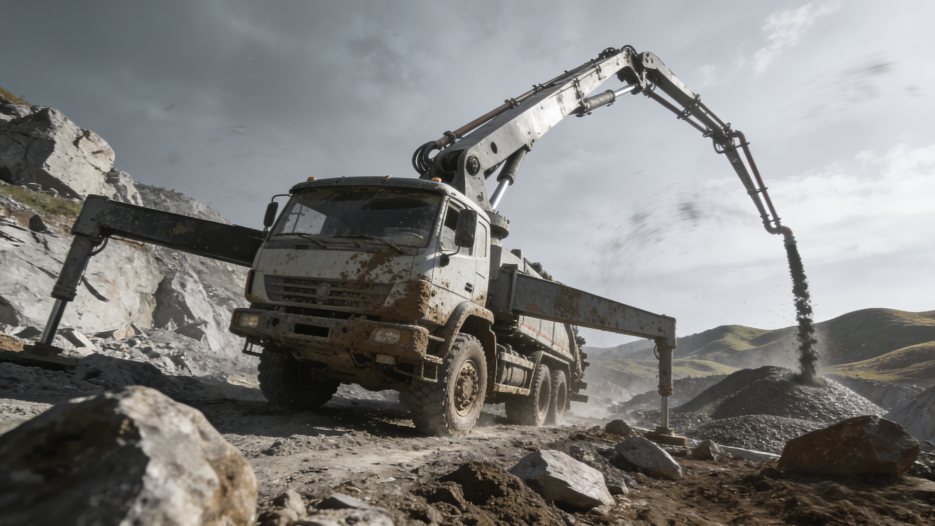
Construction sites are never uniform. That’s why we don’t believe in a “one-size-fits-all” machine. From muddy, uneven ground to tight urban alleyways, our diverse range of concrete pumps is engineered with specific design solutions to ensure you can set up, pump, and succeed—no matter where the project takes you.
1. For Rugged & Uneven Terrain: The “Off-Road” Stability Solution
When your job site looks more like an obstacle course than a road, standard equipment fails. Our heavy-duty models are specifically designed to dominate rough environments without compromising safety.
- High-Clearance Chassis: We engineer our pumps with an optimized approach angle and higher ground clearance, allowing them to navigate slopes, rocks, and deep ruts without bottoming out.
- Adaptive Outrigger System: The challenge of uneven ground is leveling. Our advanced outrigger technology allows for independent leg adjustment, providing a rock-solid foundation even when the ground beneath is sloped or soft. This ensures maximum boom stability during the pour, preventing dangerous tipping risks in wild environments.
2. For Narrow & Confined Spaces: The “Compact Access” Solution
In dense city centers or residential projects, space is the ultimate luxury. For these scenarios, we offer specialized compact designs that prioritize maneuverability without sacrificing pumping power.
- Short-Wheelbase & Tight Turning: Our urban-focused pumps feature a condensed chassis design and a reduced turning radius. This allows your operators to thread the needle through narrow streets, congested traffic, and tight gateways that would block larger machinery.
- Flexible Setup Footprint: Getting in is only half the battle; setting up is the other. Our X-style and swing-out outriggers are designed to deploy in restricted spaces. With “One-Sided Support” capabilities (on select models), you can fully extend outriggers on just the working side, allowing you to operate safely alongside walls, fences, or active traffic lanes.
How Concrete Pumps Work with Other Machinery
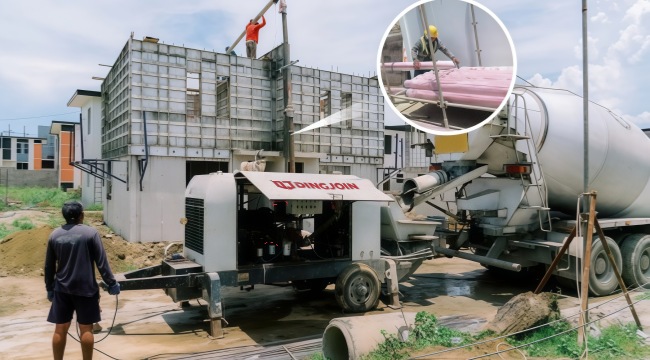
1. The Supply Phase: Interaction with Mixer Trucks
The most critical interaction on the site is between the pump and the supply chain. Without a steady feed, the pump stops, leading to “cold joints” in the structure.
Concrete Mixer Trucks (Transit Mixers)
- The Hopper Connection: The mixer truck backs up directly to the pump’s hopper. The truck’s discharge chute must be positioned precisely to allow concrete to flow into the pump’s intake without spillage.
- Continuous Flow Logic: For large pours, trucks operate in a continuous loop. As one truck finishes discharging, it pulls away, and the next truck (waiting in a queue) immediately backs in. The pump operator and truck drivers communicate via hand signals or radio to control the discharge speed, ensuring the hopper never runs dry.
- Dual-Feeding: On massive projects, two mixer trucks may feed a large pump simultaneously if the hopper size allows, maximizing the pump’s output capability.
2. The Positioning Phase: Interaction with Lifting Equipment
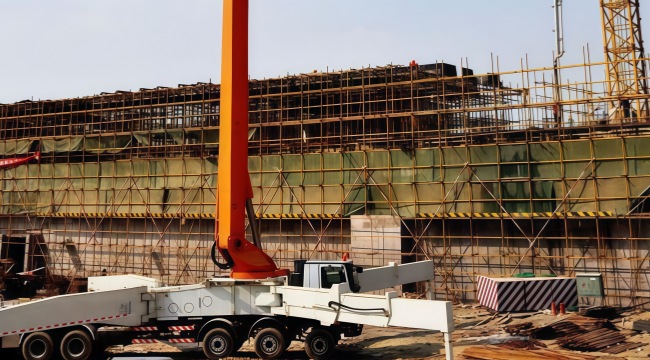
Stationary pumps (line pumps) and separate placing booms lack their own mobility systems for vertical movement. They rely heavily on lifting machinery.
Tower Cranes and Mobile Cranes
- Relocation: Tower cranes are essential for lifting stationary pumps oder placing booms from one floor to the next as a high-rise building grows.
- Pipeline Assembly: Cranes lift bundles of heavy steel pipes and rubber hoses to upper levels, where workers assemble them to extend the pump’s reach.
- Flying Buckets (Skip): Sometimes, a crane with a bucket works alongside a pump. The pump handles the bulk slab pouring, while the crane handles intricate columns or areas the pump boom cannot reach due to obstructions.
3. The Preparation & Logistics Phase: Earthmovers
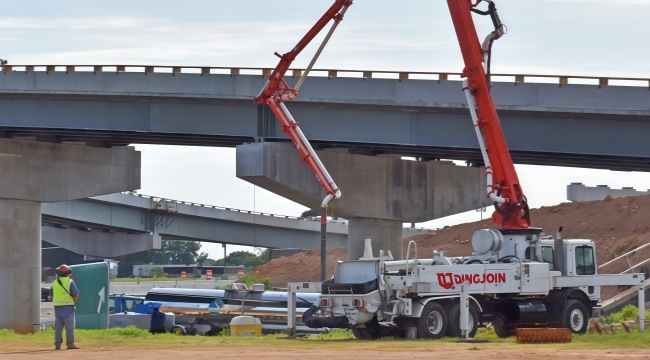
Before the pump arrives, the site must be prepared to handle the immense weight and stabilization requirements of the machine.
Excavators and Wheel Loaders
- Site Grading: Excavators flatten and compact the ground where the pump will station. This is vital for Boom Pumps, which must extend outriggers. If the ground is uneven, the pump risks tipping over.
- Waste Management: After the pour, the pump hopper contains residual concrete. Wheel loaders or small excavators assist in digging “washout pits” or moving waste concrete to disposal areas to keep the pumping station clean.
- Towing: For trailer-mounted static pumps, wheel loaders or heavy-duty pickup trucks are often used to tow the unit into its firing position.
4. The Placement & Finishing Phase: Downstream Equipment
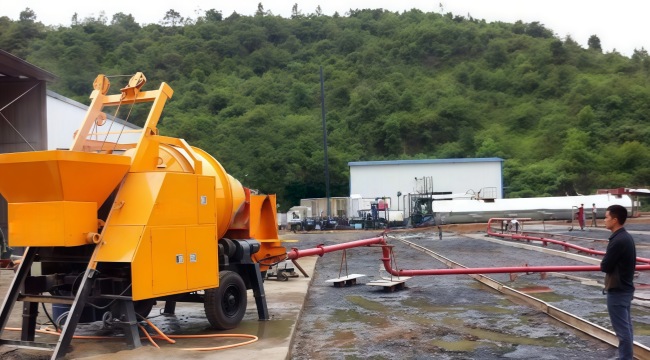
Once the concrete leaves the pump nozzle, other machines take over immediately to shape and settle the material.
Laser Screeds
- The Chase: On large warehouse floors, a Laser Screed machine follows directly behind the concrete pump’s hose.
- Effizienz: As the pump deposits the wet concrete, the Laser Screed automatically levels and vibrates it to perfect flatness. This combination allows for placing tens of thousands of square feet of concrete in a single day.
Concrete Vibrators
- Consolidation: As the pump operator directs the boom to drop concrete into formwork (walls or columns), laborers operate internal vibrators. They work in tandem: the pump adds material, and the vibrator removes air pockets to prevent honeycombing.
Power Trowels
- The Final Touch: Once the pumped concrete begins to set (cure), power trowels (riding or walk-behind) are deployed to smooth and finish the surface. The timing of this is dictated by how fast the pump placed the concrete.
Summary of Workflow
| Machinery | Role in Relation to Pump | Key Synergy Factor |
| Mixer Truck | Feeds the material | Must match pump intake speed to prevent clogging. |
| Tower Crane | Lifts the pump/pipes | Enables vertical growth of the pumping system. |
| Excavator | Preps the ground | Ensures outrigger stability and safety. |
| Laser Screed | Levels the material | Increases speed of floor finishing immediately after pumping. |
Global Cases of Concrete Pumps
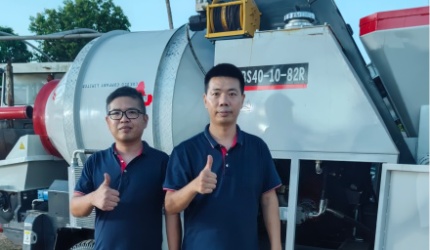
Von den rauen Bergbaustandorten der Anden in Lateinamerika bis hin zu den raschen Infrastrukturprojekten in Südostasien und Afrika haben sich unsere Betonwerke in den anspruchsvollsten Umgebungen weltweit bewährt. Ob im kalten Hochgebirge oder in tropischer Hitze – Dingjoin garantiert unverminderte Stabilität. Schließen Sie sich Tausenden globaler Bauunternehmen an, die uns für zuverlässige Produktion und nahtlose internationale Logistik vertrauen.